Hydraulic Cylinders for Tractors
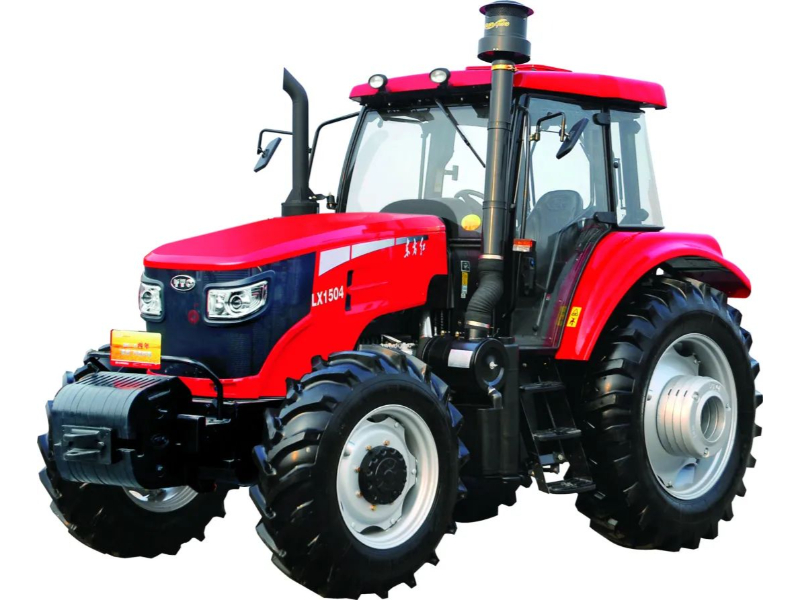
Jiaheng manufactures hydraulic cylinders for tractors used in rear hitch lifting, hydraulic steering, front loader operation and maintenance access mechanisms. Cylinder dimensions, mounting connections and sealing arrangements are developed around the tractor's hydraulic system, installation space and working load.
For tractor manufacturers and replacement projects, selecting a cylinder starts with the movement it must perform. A hitch lift cylinder, steering cylinder and loader cylinder have different loading conditions and installation requirements. Jiaheng combines hydraulic cylinder manufacturing experience with custom hydraulic cylinder engineering to address these application differences.
● Bore, rod diameter, stroke and mounting dimensions tailored to the application.
● Rod surface treatment and sealing arrangements selected for outdoor agricultural conditions.
● OEM specification review and replacement enquiries based on verified technical information.
Tractor Hydraulic Cylinder Applications
Three-Point Hitch Lift Cylinders
Rear hitch lift cylinders raise and lower implements such as ploughs, harrows and seeders. Their movement works with the tractor's linkage and hydraulic controls to manage implement position. Draft control and float functions depend on the complete system configuration.
Depending on the tractor design, the lift cylinder may be externally mounted or integrated into the lift assembly. Single-acting or double-acting operation must match the original hydraulic circuit. Jiaheng customizes the cylinder structure and installation dimensions to suit the required lifting load and available space.
Tractor Steering Cylinders
A tractor steering cylinder converts hydraulic pressure into movement of the steering linkage. Double-acting designs provide controlled movement in both directions; single-rod or double-rod configurations depend on the steering system layout.
Steering applications require careful matching of stroke, mounting centres, articulation and internal leakage requirements. The cylinder must allow the specified steering movement without mechanical interference or overtravel.
Cab and Hood Tilting Cylinders
Where fitted, hydraulic cylinders lift or tilt a cab or heavy engine hood to provide service access. Cylinder selection depends on the pivot geometry, lifting load, installation space and lowering arrangement.
End-of-stroke cushioning can reduce impact. Controlled lowering and load holding require an appropriate hydraulic circuit and valve arrangement; cushioning alone does not prevent an unsupported load from falling. Follow the tractor manufacturer's mechanical support procedure during maintenance.
Front Loader Lift and Bucket Tilt Cylinders
Front loader lift cylinders raise and lower the loader arms, while bucket tilt cylinders control rollback and dumping. These are commonly double-acting applications that experience repeated loading, vibration and changing linkage forces.
Jiaheng's approach includes reinforced cylinder structures and hard-chrome-plated piston rods for agricultural working conditions. Bore, rod diameter and stroke must be reviewed with the loader geometry. Correct alignment remains necessary to limit side loading and premature wear.
Cylinders on Tractor-Powered Implements
Tractor remote hydraulic outlets can supply cylinders fitted to attached or trailed equipment. Available pressure, flow, return conditions and coupler connections must match the implement circuit.
For related equipment applications, see our silage machine hydraulic cylinder solutions. Oil cleanliness and hydraulic system maintenance affect both tractor-mounted cylinders and cylinders on connected implements.
How to Specify a Tractor Hydraulic Cylinder
Match the cylinder to its mechanical installation and hydraulic circuit. Tractor horsepower or external cylinder appearance alone is insufficient to confirm compatibility. The following table lists the information required for specification review.
| Parameter | Information Required | Selection Purpose |
|---|
| Application | Tractor model and hitch, steering, loader or tilting function | Identifies movement and loading conditions |
| Cylinder action | Single-acting or double-acting; rod configuration | Matches the hydraulic circuit and return method |
| Bore and rod diameter | Dimensions in mm or an approved drawing | Supports force and structural assessment |
| Stroke | Required cylinder travel in mm | Defines the available movement |
| Closed and extended length | Mounting-centre distances at both travel limits | Checks installation fit and operating clearance |
| Mounting connections | Mount type, pin diameter, connection width and articulation | Matches brackets and linkage movement |
| Pressure and flow | Operating pressure, maximum system pressure and available flow | Checks force, pressure rating and travel speed |
| Oil ports | Thread standard, size, position and orientation | Confirms hose connections and clearance |
| Environment and duty | Fluid, temperature, working frequency and exposure conditions | Guides seal and surface treatment selection |
Jiaheng Cylinder Design for Agricultural Conditions
Load and Impact Resistance
Field work and loader operation expose cylinders to changing loads and vibration. Barrel, rod and mounting structures should be selected for the specified load case, stroke and duty cycle. A larger rod alone cannot compensate for an incorrectly aligned installation.
Sealing and Dust Protection
Jiaheng uses sealing and rod-wiper arrangements to address pressure retention and external contamination. Wipers help remove material from the rod before retraction, while the seal configuration must match the fluid, temperature and operating pressure.
Rod Surface Treatment
Hard chrome plating and polishing are used to improve the rod's working surface. Coating specification, surface condition and exposure to moisture or abrasive material should be reviewed together. Rod treatment does not eliminate the need for cleaning and inspection.
Oil Cleanliness and Temperature
Cylinder reliability depends on clean hydraulic oil as well as component design. Suitable filtration, careful hose connection and correct flushing procedures help limit contamination-related wear. Specify the required operating temperature range so seal and fluid compatibility can be confirmed for the project.
Custom Tractor Hydraulic Cylinders
Jiaheng customizes cylinder dimensions and installation forms to suit tractor space constraints and loading requirements. Our OEM hydraulic cylinder customization services cover structural design, material and surface treatment choices, and sealing requirements.
● Bore, rod diameter, stroke and installation length.
● Pin-eye, clevis, flange or other application-specific connections.
● Oil port size and orientation for the available installation space.
● Rod protection and seals suited to the specified working environment.
● Cushioning and valve interface requirements where applicable.
OEM Development and Replacement Matching
For a new tractor project, provide the installation drawing, required movement, load conditions and hydraulic circuit. For replacement enquiries, include the original part number, available drawings and photographs showing the mounting ends and ports.
Replacement compatibility requires verified dimensions and operating requirements. If the original unit leaked, bent or wore prematurely, describe the failure and operating conditions so the review can address the cause as well as the fit.
Manufacturing Experience and Quality Review
Established in 2001, Hubei Jiaheng Technology Co., Ltd. manufactures hydraulic cylinders for mobile equipment and custom applications. Our company profile lists a 176,900 m² plant, 82 R&D engineers and annual production capacity of 210,000 hydraulic cylinders across the product range.
Jiaheng's customization capability connects drawing design, material selection, performance verification and batch production. For tractor projects, define inspection and acceptance requirements before production so the finished cylinder can be assessed against the agreed specification.
● Dimensional checks: stroke, mounting centres, pin fits and oil port details.
● Functional checks: movement, leakage limits and cushioning where specified.
● Project records: approved drawing revision, identification and required inspection documents.
Learn more about Jiaheng hydraulic cylinder manufacturing and discuss the documentation required for your order.
Frequently Asked Questions
Which hydraulic cylinders are used on tractors?
Applications include rear hitch lifting, steering, front loader lifting and bucket tilting. Some tractor designs also use cylinders for cab or hood access. The required cylinder configuration depends on the individual mechanism.
Should I select a single-acting or double-acting cylinder?
Match the original circuit and required movement. A single-acting cylinder uses hydraulic pressure in one direction with an external return force. A double-acting cylinder uses hydraulic pressure for both extension and retraction.
Is a hitch lift cylinder the same as a hydraulic top link?
No. A hitch lift cylinder operates the lifting mechanism, while a hydraulic top link changes the upper link length to adjust implement attitude. Their mounting geometry, movement and loading requirements differ.
Can a tractor model number confirm replacement compatibility?
The model number is a starting point. Confirm the original part number, dimensions, mounting details, ports and pressure requirements before ordering. Different versions or attachments may use different cylinders.
What determines price, minimum order quantity and lead time?
These depend on the approved design, materials, components, inspection requirements and quantity. Include the delivery destination and required date with your enquiry. Jiaheng will confirm the applicable order conditions in the quotation.
Related Agricultural Applications
● Agricultural hydraulic cylinder solutions
● Corn harvesting machinery applications
● Sugarcane harvester hydraulic cylinders
Request a Tractor Hydraulic Cylinder Quote
Send your tractor application and cylinder specifications to Jiaheng for review. A dimensioned drawing helps establish the correct configuration and reduces clarification before quotation.
● Tractor model, cylinder function and original part number if available.
● Drawing and photographs of the cylinder and installed position.
● Bore, rod diameter, stroke, mounting lengths and pin dimensions.
● Working pressure, oil ports, fluid and operating temperature.
● Order quantity, destination and required delivery date.
Request a Quote