A standard hydraulic cylinder may work well indoors but fail early in a steel mill, offshore platform, desert machine, or freezing construction site. Custom Made Hydraulic Cylinders can be designed around temperature, pressure, corrosion, dust, water, chemical exposure, and limited installation space. For example, Custom Hydraulic Cylinders for extreme temperatures may use special seals, hydraulic fluids, coatings, and metals instead of a standard seal package. This approach helps equipment owners reduce leakage, unplanned downtime, and repeated replacement costs.
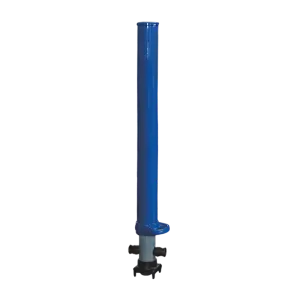
Custom hydraulic cylinders can be adapted for high heat, freezing conditions, saltwater, dust, and chemical exposure.
What Are Custom Made Hydraulic Cylinders?
Custom Made Hydraulic Cylinders are hydraulic actuators engineered for a specific machine and working environment. A cylinder converts hydraulic pressure into linear force and movement. Its main parts usually include:
- Cylinder barrel
- Piston
- Piston rod
- Rod gland
- Seals and wear rings
- Ports and fittings
- Mounting attachments
- Protective coatings or covers
The basic force formula is:
Force = Pressure × Effective piston area
For example, a cylinder with a 100 mm bore has a piston area of about 7,854 mm². At 210 bar, its theoretical pushing force is approximately:
21 MPa × 0.007854 m² = 164.9 kN
Actual output will be lower because of friction, seal resistance, pressure losses, and side loading.
The word custom does not only mean changing the cylinder length. It can include:
- Bore and rod diameter
- Stroke length
- Retracted and extended dimensions
- Mounting style
- Port position and thread type
- Operating pressure
- Seal material
- Rod surface treatment
- Sensor integration
- Corrosion protection
- Temperature range
- Cleanliness requirements
This is why a custom design is often more reliable than modifying a standard cylinder after installation.
Can Custom Hydraulic Cylinders Be Designed for Extreme Temperatures or Harsh Environments?
Yes. A properly engineered cylinder can be designed for high-temperature, low-temperature, wet, dusty, corrosive, abrasive, or chemically aggressive conditions. However, the complete system must be reviewed. The cylinder itself is only one part of a hydraulic circuit.
The design normally considers five main areas:
- Seal and material selection
- Hydraulic fluid performance
- Thermal expansion and contraction
- Corrosion and contamination protection
- Testing under expected loads and temperatures
A cylinder rated for a certain pressure at room temperature may not have the same service life at 150°C, in saltwater, or under heavy side load. Temperature ratings must always be confirmed for the exact seal, fluid, pressure, speed, and duty cycle.
High-Temperature Custom Hydraulic Cylinders
High-temperature applications include:
- Steel and aluminum processing
- Foundries and heat-treatment equipment
- Glass manufacturing
- Asphalt plants
- Industrial ovens
- Welding and cutting systems
- Engine testing equipment
- High-temperature presses
Heat affects several cylinder components.
Seal performance
Elastomer seals can harden, soften, swell, or lose elasticity when exposed to unsuitable temperatures or fluids. Common seal materials include:
- NBR: Often used for general hydraulic service, but its temperature range depends on the compound and fluid.
- FKM: Commonly selected for higher-temperature and chemical-resistant applications.
- PTFE: Offers low friction and broad chemical resistance, often used with energizers or backup seals.
- Polyurethane: Provides strong wear resistance in many general applications, but the exact temperature and fluid limits must be checked.
Parker’s O-Ring Handbook explains that seal selection depends on temperature, pressure, fluid compatibility, extrusion risk, and dynamic movement. This is important because a seal that performs well in mineral oil may behave differently in water-glycol fluid or biodegradable oil.
Rod and barrel materials
High heat can reduce lubricant performance and increase oxidation. Engineers may select:
- Heat-resistant alloy steel
- Stainless steel
- Hardened or chrome-plated piston rods
- Nickel or ceramic-based rod coatings
- High-temperature gland materials
- Metal scrapers for hot scale or particles
The best option depends on the heat source. A cylinder exposed to radiant heat may need a heat shield, while a cylinder operating inside a hot fluid system may need a different seal and fluid strategy.
Heat shields and insulation
A heat shield can lower the temperature reaching the seals and rod gland. It does not remove the need for correct material selection. The design should evaluate:
- Radiant heat from molten metal or ovens
- Conductive heat through the machine frame
- Ambient air temperature
- Hydraulic fluid temperature
- Cooling airflow
- Duty cycle and dwell time
A temperature survey using thermocouples can help identify the hottest point. Measuring the rod gland, barrel, port area, and hydraulic oil is more useful than measuring only the surrounding air.
Low-Temperature Custom Hydraulic Cylinders
Low-temperature work can cause slow movement, seal stiffness, and high starting pressure. Typical applications include:
- Snowplows and winter road equipment
- Arctic construction machinery
- Cold-storage systems
- Mining equipment
- Outdoor lifting platforms
- Marine equipment in cold climates
- Wind and solar equipment in northern regions
At low temperatures, hydraulic oil becomes more viscous. This increases pump load and pressure loss. Seals can also lose flexibility, especially during startup.
A low-temperature cylinder design may use:
- Low-temperature seal compounds
- Hydraulic fluid with a suitable viscosity index
- Special wiper seals
- Increased clearance control
- Corrosion-resistant rod materials
- Preheating or oil circulation
- Flexible hoses rated for the same temperature
The viscosity of the hydraulic fluid should be checked at startup and operating temperature, not only at 40°C. ISO 3448 classifies industrial lubricants by viscosity grade, but the correct grade still depends on pump type, ambient temperature, pressure, and manufacturer requirements.
Corrosion-Resistant Custom Hydraulic Cylinders for Marine and Coastal Use
Saltwater and humid air can attack unprotected steel. Marine and offshore cylinders may face:
- Salt spray
- Standing water
- High humidity
- Chloride corrosion
- Splash-zone exposure
- Galvanic corrosion
- Limited access for maintenance
Design options can include:
- Stainless steel barrels or components
- Stainless or coated piston rods
- Nickel-chrome rod plating
- Zinc-nickel protective coatings
- Marine-grade paint systems
- Stainless fasteners
- Drainage paths
- Rod boots or bellows
- Special wiper seals
ISO 12944 provides a framework for selecting protective paint systems based on corrosivity categories and environmental exposure. The coating system should be matched to the location. A coastal outdoor machine does not face the same corrosion risk as a cylinder permanently installed offshore.
Material pairing also matters. Stainless steel, carbon steel, aluminum, and plated parts can create galvanic corrosion when moisture and salt are present. Engineers should review electrical contact, fastener choice, coating damage, and drainage.
Dust, Sand, Mud, and Abrasion Protection
Construction, mining, quarrying, and agricultural equipment often operate in abrasive environments. Dust and sand can damage the rod, wiper, and seal lips.
Useful design features include:
- Heavy-duty scraper seals
- Multiple wiper stages
- Induction-hardened piston rods
- Ceramic or carbide rod coatings
- Rod boots
- Protective guards
- Pressurized or purged rod glands
- Greaseable mounting points
- Sealed spherical bearings
A wiper removes contamination before it enters the rod seal. However, no wiper can compensate for a damaged or pitted rod. A regular inspection should check for:
- Rust spots
- Chrome flaking
- Scoring
- Dents
- Dried mud
- Seal extrusion
- Oil film on the rod
For mining equipment, the rod surface and wiper design may be more important than simply increasing cylinder wall thickness.
Chemical, Food, and Washdown Environments
Some cylinders work near solvents, fertilizers, cleaning chemicals, or food-processing fluids. The correct design depends on the chemical concentration, temperature, exposure time, and cleaning method.
Potential choices include:
- Stainless steel construction
- FDA-compliant seal materials where required
- Food-grade hydraulic fluids
- Smooth external surfaces
- Welded or sealed joints
- Chemical-resistant coatings
- Washdown-friendly mounting designs
A food or pharmaceutical application may require more than stainless steel. The complete assembly may need documented material traceability, cleanable geometry, and compatible lubricants. The end user should provide the chemical safety data sheet and cleaning procedure before design approval.
How to Choose Materials for Custom Hydraulic Cylinders
Material selection should begin with the environment, not with a preferred metal. The following table gives a basic starting point.
| Working condition |
Possible design response |
| High heat |
FKM or PTFE-based seals, heat shields, high-temperature coatings |
| Freezing conditions |
Low-temperature seals, suitable hydraulic oil, flexible hoses |
| Saltwater |
Stainless components, marine coatings, sealed mounting points |
| Sand and dust |
Heavy-duty wipers, hardened rods, rod boots |
| Chemicals |
Fluid compatibility review, stainless steel, chemical-resistant seals |
| High side load |
Larger guide length, spherical bearings, external guides |
| Frequent cycling |
Low-friction seals, improved cooling, fatigue analysis |
| Outdoor storage |
Rod protection, corrosion-resistant coating, sealed ports |
These are starting points only. The final material choice must be verified against the exact operating conditions.
The Custom Hydraulic Cylinder Design Process
A controlled design process reduces mistakes and shortens installation time.
1. Define the machine requirements
Provide the cylinder manufacturer with:
- Required pushing and pulling force
- Hydraulic pressure and relief-valve setting
- Stroke length
- Speed or flow rate
- Cycle frequency
- Retracted and extended length
- Available mounting space
- Load direction
- Side-load conditions
- Expected service life
A simple force and stroke calculation is not enough if the cylinder will experience bending or impact.
2. Record the environmental conditions
The design team should know:
- Minimum and maximum air temperature
- Hydraulic oil temperature
- Radiant heat exposure
- Water or saltwater contact
- Dust, sand, mud, or metal particles
- Chemical exposure
- Cleaning method
- Indoor or outdoor storage
- Altitude, if relevant
The phrase “harsh environment” should be converted into measurable values. For example, “near a furnace” is less useful than “ambient temperature of 80°C with radiant heat from a 500°C surface.”
3. Confirm the hydraulic fluid
Fluid compatibility affects seals, coatings, hoses, and internal surfaces. Common fluids include:
- Mineral oil
- Water-glycol
- Fire-resistant hydraulic fluid
- Biodegradable ester fluid
- Synthetic hydraulic oil
The fluid supplier’s compatibility data should be checked with the seal manufacturer’s data. A seal may tolerate the temperature but still swell in the selected fluid.
4. Select the seal package
Seal selection should consider:
- Static or dynamic service
- Pressure level
- Rod speed
- Temperature range
- Fluid type
- Extrusion gap
- Dirt and water exposure
- Expected cycle count
A high-pressure, high-speed cylinder may need a stepped seal, backup ring, wear ring, and separate wiper. A slow cylinder in a dusty environment may require stronger contamination protection.
5. Select rod protection
The piston rod is often the most exposed component. Options may include:
- Standard hard chrome plating
- Thick chrome plating
- Stainless steel
- Induction hardening
- Nickel-chrome coating
- Ceramic coating
- Tungsten carbide coating
The choice depends on corrosion, impact, abrasion, and repair requirements. A coating should be evaluated for adhesion, hardness, surface finish, and compatibility with the rod seal.
6. Check mounting and alignment
Side loading is a common cause of premature cylinder failure. The mounting design should allow the cylinder to move naturally with the load. Depending on the machine, this may require:
- Clevis mounts
- Trunnion mounts
- Flange mounts
- Spherical bearings
- Self-aligning bushings
- External mechanical guides
The cylinder should not be used as a structural guide unless it was specifically designed for that purpose.
7. Run engineering checks
Depending on the application, the manufacturer may perform:
- Buckling analysis for the extended rod
- Fatigue analysis
- Pressure stress analysis
- Bearing-load calculation
- Thermal expansion review
- Finite element analysis
- Seal extrusion analysis
- Port and connection verification
For long-stroke cylinders, rod buckling is especially important. A larger rod is not always the only solution; mounting, unsupported length, load direction, and end conditions also affect buckling risk.
8. Build and test a prototype
A prototype can confirm:
- Stroke and retracted length
- Force output
- Leakage performance
- Operating speed
- Temperature rise
- Mounting fit
- Sensor function
- Surface protection
- Seal behavior
Testing should use the real hydraulic fluid and, where practical, the expected temperature and contamination conditions.
9. Prepare installation and maintenance documents
The final package should include:
- Cylinder drawing
- Seal information
- Hydraulic port details
- Pressure rating
- Installation instructions
- Tightening requirements
- Lubrication instructions
- Spare-parts list
- Inspection schedule
- Safety warnings
The correct documentation helps operators avoid common problems such as side loading, incorrect bleeding, overpressure, and wrong replacement seals.
Standards and Technical References
Several standards and industry resources can support the design process:
- ISO 6020 and ISO 6022: Hydraulic fluid power—mounting dimensions for single-rod cylinders, depending on the cylinder design and pressure class.
- ISO 4413: General rules and safety requirements for hydraulic systems and their components.
- ISO 4406: Code for reporting the level of solid-particle contamination in hydraulic fluids.
- ISO 3448: Industrial liquid lubricants—ISO viscosity classification.
- ISO 12944: Corrosion protection of steel structures using protective paint systems.
- Parker O-Ring Handbook: Seal material, temperature, pressure, and fluid-compatibility guidance.
- NFPA/T3 hydraulic industry guidance: General hydraulic component and system practices.
These references do not replace a project-specific engineering review. The final design should follow the applicable machine, workplace, marine, mining, or pressure-equipment regulations in the installation country.
How to Reduce Failure in Harsh-Environment Cylinders
Even a well-designed cylinder can fail if the system is poorly maintained. Use the following practices:
-
Keep hydraulic fluid clean.
Use suitable filtration and monitor contamination according to the equipment manufacturer’s target ISO 4406 cleanliness code.
-
Check rod condition regularly.
Replace or repair rods with deep scratches, corrosion, dents, or flaking coatings.
-
Inspect for external leakage.
A wet rod or oil trail can indicate rod-seal damage, excess pressure, misalignment, or a damaged surface.
-
Control hydraulic temperature.
Excess heat accelerates fluid oxidation and seal aging. Check tank temperature, cooler operation, and relief-valve settings.
-
Avoid side loading.
Confirm that guides, pins, and bearings are correctly aligned.
-
Use the correct replacement seal kit.
Do not replace a high-temperature or chemical-resistant seal with a standard seal.
-
Protect unused cylinders.
Store them with ports sealed and rods retracted or protected according to the manufacturer’s instructions.
-
Follow safe isolation procedures.
Hydraulic pressure can remain trapped after a machine is switched off. OSHA identifies unexpected startup and stored energy as hazards requiring proper lockout/tagout control during servicing.
Why Custom Made Hydraulic Cylinders Are Important
Custom design can solve problems that standard cylinders cannot address reliably. The main benefits include:
- Correct fit in restricted spaces
- Better resistance to temperature changes
- Improved seal and fluid compatibility
- Lower corrosion risk
- Better contamination protection
- Reduced side-load damage
- Easier integration with sensors
- More predictable maintenance
- Longer service intervals when properly operated
The value should be measured through operating data. Useful indicators include:
- Leakage incidents per 1,000 operating hours
- Average seal life
- Unplanned downtime hours
- Cylinder cycle count before repair
- Hydraulic oil temperature
- Rod corrosion measurements
- Maintenance cost per operating hour
For example, if a custom cylinder reduces emergency replacement from four times per year to once per year, the saving can be calculated from labor, parts, lost production, and transport costs. This is more useful than simply describing the cylinder as “long-lasting.”
Questions to Ask Before Ordering
Before requesting a quotation, prepare answers to these questions:
- What are the minimum and maximum temperatures?
- Is the temperature measured at the cylinder, rod gland, or hydraulic tank?
- What fluid will be used?
- What are the operating and peak pressures?
- What is the required force in both directions?
- What is the stroke and cycle speed?
- Is there side load or impact loading?
- Will the cylinder contact saltwater, chemicals, dust, or mud?
- What mounting dimensions are fixed?
- Is a position sensor required?
- What surface finish and corrosion life are expected?
- What inspection and test documents are required?
Clear information at this stage helps prevent a design that fits mechanically but fails in service.
FAQ About Custom Hydraulic Cylinders for Harsh Environments
Can a hydraulic cylinder operate in temperatures below freezing?
Yes, but the seal package, hydraulic fluid, rod material, and hose system must be selected for the lowest startup temperature. Cold oil becomes thicker, which can increase pressure loss and slow movement. The manufacturer should verify both startup and continuous operating conditions.
Can custom cylinders work near furnaces or molten metal?
They can be designed for these environments with heat shields, suitable seals, protective coatings, and thermal spacing. The cylinder should also be protected from direct molten-metal splash and radiant heat. A temperature measurement at the gland and barrel is recommended before final material selection.
Are stainless steel cylinders always the best choice near saltwater?
Not always. Stainless steel can improve corrosion resistance, but the grade, surface finish, fasteners, welds, and galvanic contacts also matter. A coated carbon-steel cylinder may be suitable in some applications, while a marine cylinder may require a combination of stainless parts and a qualified coating system.
How can sand and dust be kept away from the seals?
Use a suitable wiper, rod coating, protective boot, and mounting arrangement. The cylinder should also be cleaned before the rod retracts after exposure to heavy contamination. A stronger wiper cannot correct a damaged piston rod.
What causes hydraulic cylinder leakage in harsh conditions?
Common causes include:
- Incorrect seal material
- Excessive temperature
- Dirty hydraulic oil
- Rod scratches or corrosion
- Side loading
- Excessive pressure
- Incorrect installation
- Seal aging
- Improper storage
A leak should be diagnosed before replacing the seal. Replacing the seal without correcting misalignment or rod damage often leads to another failure.
Can sensors be added to custom cylinders?
Yes. Position sensors, proximity switches, linear transducers, and end-of-stroke sensors can be integrated depending on the available space and environmental conditions. For outdoor or washdown use, the sensor housing and cable protection should match the application.
What information does Jiaheng need to design a cylinder?
Jiaheng will typically need the required force, stroke, pressure, speed, mounting dimensions, fluid type, temperature range, duty cycle, and environmental exposure. Drawings, photos, or an existing cylinder sample can also help clarify the installation.
Next Step: Request a Custom Cylinder Review from Jiaheng
If your equipment operates in heat, freezing weather, saltwater, dust, chemicals, or repeated washdown, do not select a cylinder from pressure and stroke alone. Prepare the machine drawings, operating data, fluid information, and environmental conditions first.
Then ask Jiaheng to review:
- Cylinder dimensions and mounting
- Seal and fluid compatibility
- Rod and barrel materials
- Corrosion and abrasion protection
- Thermal protection
- Testing and documentation requirements
For more technical guidance, read the cylinder installation and maintenance instructions before commissioning the machine. A properly specified custom made hydraulic cylinder for harsh environments can provide a safer fit, more stable operation, and lower lifecycle cost than a standard component selected without environmental testing.
Reference Resources