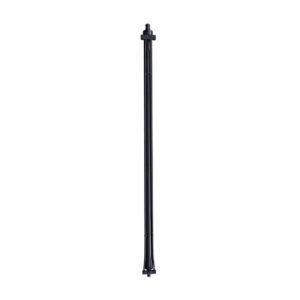
Truck Crane Telescopic Cylinder Applications and Configurations
25 September. 2026
Share:
A Truck Mounted Crane Telescopic Hydraulic Cylinder converts hydraulic pressure into controlled boom movement. It helps a truck crane extend, retract, lift, and position loads at job sites where space, transport time, and lifting accuracy matter. Choosing the right truck mounted crane telescopic hydraulic cylinder for boom extension can reduce downtime, improve load control, and support safer operation. This guide explains how the cylinder works, where it is used, how to select the correct configuration, and how to maintain it.
Truck Crane Telescopic Cylinder Applications and Configurations for boom extension and load positioning.
What Is a Truck Mounted Crane Telescopic Hydraulic Cylinder?
A truck mounted crane telescopic hydraulic cylinder is a multi-stage actuator installed inside or alongside a crane boom. It uses pressurized hydraulic oil to create linear force. Unlike a single-stage cylinder, a telescopic cylinder has two or more nested stages. These stages extend one after another, allowing a long working stroke while keeping the retracted cylinder short.
The main terms are:
Barrel: The outer pressure tube that contains the hydraulic oil.
Plunger or stage: A sliding tube that extends from the barrel or another stage.
Piston: The moving pressure surface inside a piston-type stage.
Rod: The polished moving member used in conventional piston cylinders.
Seal system: Seals that limit oil leakage and prevent dirt from entering.
Guide ring: A wear-resistant component that keeps moving stages aligned.
Stroke: The distance from full retraction to full extension.
Rated pressure: The working pressure the cylinder is designed to handle.
Closed length: The total length of the cylinder when it is fully retracted.
In a typical truck crane, the hydraulic pump sends oil through a control valve. The valve directs oil to the cylinder. Pressure acting on the effective piston area produces force. The basic relationship is:
Force = Pressure × Effective Area
For example, at 20 MPa pressure, a piston with an effective area of 0.005 m² produces approximately 100,000 N of theoretical force before friction and mechanical losses are considered. Actual output depends on seal friction, pressure loss, cylinder geometry, load angle, and the crane’s lever system.
How Does a Telescopic Hydraulic Cylinder Work on a Truck Crane?
When the operator moves the crane control lever, hydraulic oil flows from the pump to the selected cylinder port. The oil pressure pushes the first stage outward. Once that stage reaches its designed extension or pressure position, the next stage moves. During retraction, the stages return in the reverse order.
Many truck cranes use a single-acting telescopic cylinder for boom extension. Hydraulic pressure extends the cylinder, while the load, boom geometry, or gravity assists retraction. Other designs use double-acting stages, which apply hydraulic pressure in both directions. Double-acting cylinders offer more direct control but may require additional oil passages, seals, and control components.
The cylinder must work with the crane’s hydraulic circuit. Important system factors include:
Maximum hydraulic pressure and pressure relief valve setting
Pump flow rate
Control valve type and spool design
Oil cleanliness and filtration level
Hose and pipe internal diameter
Load-holding or counterbalance valve arrangement
Temperature range and hydraulic fluid viscosity
A cylinder that has the correct bore but the wrong flow requirement may extend too slowly or create excessive heat. A cylinder with an unsuitable pressure rating may also create a serious safety risk.
Truck mounted cranes are used when a vehicle must transport materials and lift them without a separate mobile crane. The telescopic hydraulic cylinder supports boom reach and positioning in several industries.
Construction and Building Material Delivery
Truck cranes deliver bricks, roof materials, steel components, glass, and prefabricated parts. The boom may need to extend over fences, walls, or unfinished structures. A telescopic cylinder allows the operator to change reach while the truck remains in a fixed position.
Utility and Electrical Maintenance
Utility trucks use cranes to handle transformers, cable drums, poles, and service equipment. Smooth cylinder movement helps the operator place heavy components near power infrastructure. In these applications, controlled movement is often more important than maximum speed.
Forestry and Landscaping
Crane trucks can move logs, branches, landscaping stones, and machinery. Dust, moisture, and impact loads are common. The cylinder therefore needs suitable rod protection, durable guide rings, and seals that match the operating environment.
Municipal and Road Maintenance
Municipal fleets use truck cranes for drainage equipment, streetlight parts, barriers, and roadwork tools. Frequent start-stop cycles make seal life, heat management, and service access important design considerations.
Waste Handling and Recycling
Hook-lift trucks, recycling vehicles, and material-handling trucks may use hydraulic cylinders in dirty environments. Wiper design and surface protection help reduce contamination at the sliding interfaces.
Marine, Port, and Remote Worksites
Truck cranes operating near water or in coastal regions face salt spray and high humidity. External coatings, stainless or protected components, corrosion-resistant fasteners, and suitable hydraulic oil can extend service life.
Why the Truck Mounted Crane Telescopic Hydraulic Cylinder Is Important
The cylinder affects more than boom movement. It influences the crane’s working range, rated load behavior, operating speed, stability, and maintenance cost.
Reach from a Short Installation Length
A multi-stage design can provide a long stroke without requiring a cylinder that is as long as the fully extended boom. This makes it suitable for compact truck bodies and folding or telescopic boom structures.
Controlled Load Positioning
Hydraulic flow can be adjusted through the control valve. This allows the operator to position a load gradually rather than moving it in a sudden jump. Smooth operation depends on the complete system, including the pump, valve, cylinder seals, and load-control valve.
Adaptation to Limited Work Areas
Truck cranes often work beside roads, buildings, and storage yards. Telescopic extension lets the operator select a suitable reach instead of moving the entire vehicle for every lift.
Lower Unplanned Downtime
A correctly matched cylinder reduces problems such as seal blowout, rod scoring, slow extension, and oil overheating. The best result comes from matching the cylinder to the original crane design rather than selecting only by outside diameter.
How to Choose a Truck Mounted Crane Telescopic Hydraulic Cylinder
Selection should begin with the crane manufacturer’s technical data and the existing hydraulic circuit. The following process helps prevent common ordering errors.
1. Confirm the Crane Model and Installation Position
Record the truck crane model, boom section, cylinder location, and connection method. A cylinder mounted inside the boom may have different envelope restrictions from one mounted below the boom.
Check:
Pin-to-pin length when retracted
Maximum extended length
Mounting pin diameter and width
Oil port location and thread type
Clearance from boom plates and hoses
Stage sequence and extension direction
2. Calculate Required Force
Use the crane load chart and boom geometry to determine the cylinder force. Do not calculate from the lifted load alone. The required force changes with boom angle, load radius, mechanical leverage, friction, and the weight of the boom sections.
A simplified cylinder calculation is:
Required area = Required force ÷ Working pressure
For a 150,000 N theoretical force at 20 MPa, the minimum ideal area is 0.0075 m². A real design needs additional capacity for friction, pressure loss, dynamic loading, manufacturing tolerance, and the manufacturer’s safety requirements.
3. Select the Stroke and Number of Stages
The stroke must provide the required boom extension without allowing a stage to overtravel. A two-stage cylinder may be suitable for a shorter boom. A three-stage or four-stage design can provide greater reach within a similar retracted envelope.
More stages can increase the number of seals, guides, and moving interfaces. This means the design must balance reach, stability, maintenance access, and cost.
4. Match the Hydraulic Pressure and Flow
Confirm the system’s rated pressure, peak pressure, and flow rate. The cylinder should have a working pressure rating that is suitable for the crane system. The relief valve should be set according to the crane manufacturer’s instructions.
Extension speed can be estimated with:
Speed = Flow rate ÷ Effective area
If a cylinder receives 40 L/min and has an effective area of 0.005 m², the ideal piston speed is about 0.133 m/s, or 133 mm/s. Real speed will be lower because of leakage, pressure losses, and valve restrictions.
5. Choose Materials and Surface Protection
Common design choices include high-strength steel for the barrel and stages, hardened or chrome-plated sliding surfaces, wear-resistant guide rings, and polyurethane or other application-specific seals.
For outdoor truck cranes, ask about:
Rod or stage surface hardness
Chrome thickness or alternative surface treatment
Salt-spray or corrosion test method
Wiper seal design
Paint or coating system
Low-temperature seal compatibility
6. Check Side Load and Alignment
Hydraulic cylinders are designed mainly for axial force. Side load from boom misalignment, bent mounting plates, worn pins, or excessive clearance can damage the rod, guide, and seals.
The installation should allow the cylinder to follow the boom’s movement. Spherical bearings or correctly designed pin connections may be needed where angular movement occurs. Never use the cylinder as a structural guide if the crane design requires separate boom wear pads or rollers.
7. Confirm the Seal and Hydraulic Oil Requirements
Seal material must match the hydraulic fluid, temperature, pressure, and motion speed. Common seal materials include polyurethane, nitrile rubber, and fluorocarbon rubber, but the correct choice depends on the fluid and operating conditions.
Hydraulic oil contamination is a major cause of wear. ISO 4413, the international standard for hydraulic fluid power systems, covers general rules and safety requirements for hydraulic systems and their components. The oil cleanliness target should be set by the equipment manufacturer and the sensitivity of the valves and seals.
There is no single configuration for every truck crane. The correct design depends on available space, boom reach, pressure, load, and service conditions.
Configuration
Typical benefit
Main design concern
Single-acting telescopic cylinder
Simple circuit and compact installation
Retraction depends on load, gravity, or mechanical assistance
Double-acting telescopic cylinder
Powered extension and retraction
More complex oil routing and sealing
Two-stage cylinder
Good balance of stroke and compact length
Limited reach compared with designs with more stages
Three-stage cylinder
Longer extension in a restricted space
More seals, guides, and inspection points
Internal boom cylinder
Protected installation and clean appearance
Limited access for repair and inspection
External boom cylinder
Accessible service and replacement
Greater exposure to impact, dust, and weather
Installation Process for a Truck Mounted Crane Telescopic Hydraulic Cylinder
Installation should be completed by trained technicians and follow the crane manufacturer’s service instructions. A general process includes the following steps.
Prepare the Crane
Park the truck on stable, level ground.
Engage the parking brake and deploy stabilizers as required.
Lower or support the boom according to the service manual.
Release stored hydraulic pressure before disconnecting lines.
Use lifting equipment that can safely support the cylinder weight.
Inspect the Mounting Points
Check pin bores, bushings, retaining plates, welds, and brackets. Measure wear if the old cylinder failed because of misalignment or excessive side loading. Installing a new cylinder onto damaged mounting points may cause the same failure again.
Install the Cylinder
Align the cylinder with the boom without forcing the pins into place. Clean all hydraulic connections before installation. Contamination entering the cylinder can damage seals during the first operating cycle.
Connect and Bleed the Hydraulic Circuit
Use the correct hoses, fittings, and sealing method. Do not use unsuitable thread sealant that can break off and enter the valve. Cycle the cylinder slowly at low load to remove trapped air. Air can cause spongy movement, noise, and unstable stopping.
Test Without a Load
Inspect every connection while extending and retracting the cylinder. Look for external leakage, uneven stage movement, abnormal noise, and contact between the cylinder and boom structure.
Test with a Controlled Load
Follow the crane load chart and test at approved positions. Verify that the cylinder holds position when the control is released and that the load-control system operates correctly. Never test a repaired crane with a load above the manufacturer’s rated capacity.
Maintenance and Inspection Checklist
Regular inspection helps identify problems before they become major failures. The inspection interval should follow the crane manufacturer’s manual, local regulations, and duty cycle.
Daily or Pre-Shift Checks
Look for oil around seals, ports, and hose connections.
Check exposed stages for scratches, dents, rust, or contamination.
Listen for knocking, squealing, or irregular movement.
Confirm that the cylinder reaches the expected extension.
Check pins, retainers, and mounting brackets.
Periodic Checks
Inspect hydraulic oil level and condition.
Replace filters at the recommended interval.
Check hose abrasion and bend radius.
Measure excessive pin or bushing wear.
Inspect guide rings and stage surfaces during scheduled service.
Verify pressure settings with a calibrated gauge.
Keep the stages clean. Dirt on a sliding surface can be drawn past the wiper seal and damage the internal sealing system. Do not polish away corrosion or deep scoring without checking the manufacturer’s repair limits.
Common Truck Mounted Crane Telescopic Hydraulic Cylinder Problems
The Cylinder Moves Slowly
Possible causes include low pump flow, blocked filters, incorrect oil viscosity, a restricted hose, a faulty control valve, internal leakage, or excessive load. Measure system pressure and flow instead of replacing the cylinder immediately.
The Cylinder Drifts Under Load
Drift may result from internal seal leakage, a leaking control valve, a faulty counterbalance valve, or air in the circuit. Isolate the cylinder and test the holding circuit according to the service manual.
Oil Leaks from the Rod or Stage
A worn seal is one possible cause. Scratches, corrosion, side loading, poor alignment, excess pressure, or an unsuitable seal material may also create leakage. Replacing only the seal will not provide a lasting repair if the sliding surface is damaged.
Stages Extend Unevenly
Uneven extension can be caused by trapped air, unequal load distribution, contamination, damaged guides, or incorrect stage sequencing. Stop operation if the stage moves with impact or the boom becomes unstable.
The Cylinder Makes Noise
Cavitation, aeration, low oil level, restricted suction flow, loose fittings, or worn mechanical connections can create noise. Cavitation can damage hydraulic components, so the cause should be corrected before continued operation.
The Cylinder Bends or Shows Structural Damage
A bent stage or barrel may result from side loading, impact, overload, or poor storage. A visibly bent hydraulic cylinder should not be straightened and returned to service without an approved inspection and repair process.
Safety Requirements for Truck Crane Hydraulic Cylinders
A hydraulic cylinder can store high energy even when the pump is off. Before service, support the boom mechanically and release hydraulic pressure using the correct procedure. Never place any part of the body beneath a raised boom supported only by hydraulic pressure.
Operators should follow the crane’s load chart, stabilizer requirements, rated radius, and inspection rules. The crane must not be operated if there is a serious hydraulic leak, damaged stage, loose mounting pin, failed load-holding valve, or uncontrolled boom movement.
ISO 4413 provides general hydraulic system safety guidance. Local lifting regulations may also apply. In the United States, OSHA requirements for cranes and derricks may apply depending on the equipment and worksite. Employers should confirm the rules that govern their location and crane type.
How Jiaheng Can Support Your Cylinder Project
Jiaheng can help users move from a failed or worn cylinder to a suitable replacement or custom design. Prepare the following information before requesting a quotation:
Crane brand and model
Original cylinder drawing, nameplate, or photographs
Retracted and extended lengths
Number of stages
Bore, stage diameter, and rod diameter
Mounting pin dimensions
Oil port size and position
Working pressure and required flow
Operating temperature and environment
Hydraulic oil type
Required quantity and delivery schedule
For a custom project, request dimensional drawings, pressure ratings, surface-treatment details, seal specifications, inspection records, and test requirements. These documents make it easier to compare products and confirm installation compatibility.
Frequently Asked Questions
What is the difference between a telescopic cylinder and a standard hydraulic cylinder?
A standard hydraulic cylinder normally has one barrel and one piston rod. A telescopic cylinder has multiple nested stages. It can produce a longer stroke while occupying less space when retracted.
Can I replace a truck crane cylinder with one that has the same outside diameter?
Not necessarily. Outside diameter alone does not confirm force, stroke, mounting length, stage sequence, pressure rating, port position, or seal compatibility. Use the original specifications and crane load data.
How many stages should a truck mounted crane telescopic cylinder have?
The number of stages depends on the required boom extension and available installation length. Two-stage designs suit some compact cranes, while longer booms may require three or more stages. The crane manufacturer or cylinder engineer should confirm the design.
Why does a telescopic cylinder need a guide ring?
The guide ring supports the moving stage and helps control side clearance. It reduces metal-to-metal contact between moving surfaces. If the guide ring wears, the stage may move unevenly and place extra load on the seals.
How can I reduce hydraulic cylinder leakage?
Use clean hydraulic oil, replace filters on schedule, protect exposed stages, avoid side loading, maintain correct pressure, and inspect seals before leakage becomes severe. If the surface is scratched or corroded, a seal replacement alone may not solve the problem.
Is a single-acting or double-acting cylinder better?
Neither is always better. A single-acting design can simplify the hydraulic circuit, while a double-acting design provides powered movement in both directions. The best choice depends on the crane structure, load behavior, safety system, and control requirements.
What information should I send to Jiaheng for a replacement quote?
Send the crane model, cylinder photographs, nameplate information, dimensions, stage count, mounting details, pressure, port size, and operating environment. A drawing or failed-cylinder sample can help Jiaheng confirm the configuration more accurately.
Final Steps Before Ordering a Truck Crane Telescopic Cylinder
Start with the crane load chart and service manual. Measure the existing cylinder carefully, confirm hydraulic pressure and flow, inspect the mounting structure, and identify the working environment. Then compare the proposed bore, stroke, stage count, seals, surface treatment, and test documents with the original requirements.
If you need a custom truck mounted crane hydraulic cylinder manufacturer, contact Jiaheng with your drawing, photographs, or cylinder dimensions. A technical review before production can prevent an incorrect replacement and help your truck crane return to controlled operation with less avoidable downtime.