What Are Telescopic Hydraulic Cylinders Used for in Truck Cranes? They are multi-stage hydraulic actuators that extend and retract a crane boom by converting pressurized hydraulic fluid into controlled linear motion. In practical terms, a Crane Telescopic Hydraulic Cylinder gives a truck-mounted crane the reach needed to lift, place, and retrieve loads while keeping the equipment compact for road transport. For businesses, this means greater job-site flexibility, faster loading cycles, and improved revenue potential from one vehicle.
What Is a Crane Telescopic Hydraulic Cylinder?
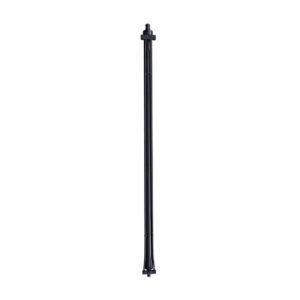
A telescopic hydraulic cylinder, also called a multi-stage or nested hydraulic cylinder, contains two or more concentric barrel and piston stages. Hydraulic pressure extends the stages in sequence, allowing a relatively short retracted cylinder to achieve a much longer stroke.
In a truck crane, the cylinder is normally installed inside or alongside the telescopic boom. It works with the hydraulic pump, control valve, hydraulic reservoir, load-holding valve, and boom structure. When the operator moves the control lever, oil enters the cylinder and produces the force required to extend the boom sections.
Basic operating sequence
- The PTO-driven hydraulic pump supplies pressurized oil.
- The directional control valve sends oil to the cylinder port.
- The first piston stage extends and transfers force through the nested stages.
- The boom reaches the selected working radius.
- Counterbalance or pilot-operated check valves help prevent uncontrolled retraction.
- When the operator reverses the valve, hydraulic oil returns through the circuit and the stages retract.
The cylinder does not lift a load independently. Safe lifting depends on the complete crane system, including boom geometry, rated capacity, hydraulic pressure, outrigger deployment, load moment control, and the manufacturer’s load chart.
Why Truck Cranes Use Telescopic Cylinders
Truck cranes must combine high lifting capacity with a compact transport profile. A conventional single-stage cylinder may require excessive installation length, while a telescopic cylinder provides a long working stroke in a shorter retracted package.
The main business and operational benefits include:
- Extended reach: Multi-stage cylinders help the boom access roofs, construction zones, utility poles, containers, and elevated platforms.
- Compact storage: The retracted assembly occupies less chassis and boom space.
- Controlled positioning: Hydraulic metering allows operators to place materials accurately.
- Higher equipment utilization: One truck can perform more lifting tasks without a separate mobile crane.
- Reduced setup time: Boom extension is controlled from the crane’s hydraulic circuit rather than by manual mechanical adjustment.
For fleet owners, the value is not only lifting force. It is the combination of reach, transportability, cycle time, and dependable uptime.
What Are Telescopic Hydraulic Cylinders Used for in Truck Cranes?
The answer depends on the crane configuration, but the principal application is boom telescoping. A Crane Telescopic Hydraulic Cylinder extends and retracts the boom sections so the operator can change the horizontal and vertical working radius.
1. Extending and retracting the main boom
The cylinder pushes the nested boom sections outward to reach a load and retracts them for travel or close-range lifting. This function is common on loader cranes, knuckle-boom cranes with telescopic extensions, recovery trucks, municipal service vehicles, and construction-material delivery trucks.
2. Handling construction materials
Truck cranes use telescopic cylinders to place bricks, steel beams, roof trusses, glass panels, HVAC equipment, and prefabricated components. Accurate boom positioning reduces the need for manual handling and can shorten installation time.
3. Utility and infrastructure work
Utility contractors use telescopic boom systems for transformers, cable drums, streetlight components, and maintenance equipment. The cylinder must provide smooth extension while resisting side loads and maintaining stability within the approved load chart.
4. Vehicle recovery and roadside service
Recovery vehicles may use telescopic crane systems to reach disabled vehicles or position lifting accessories. In this application, cylinder reliability, load-holding performance, and protection against impact contamination are especially important.
5. Waste, forestry, and material handling
Specialized truck cranes can handle waste containers, timber, scrap, and bulk materials. The cylinder design may require chrome-plated piston rods, reinforced guides, high-strength barrel materials, and seals selected for abrasive or outdoor environments.
How Jiaheng Designs a Crane Telescopic Hydraulic Cylinder
Jiaheng’s cylinder selection should begin with the crane’s actual duty cycle rather than a simple bore-and-stroke request. A qualified hydraulic-cylinder supplier normally reviews the following parameters:
| Design factor |
Why it matters |
Typical engineering consideration |
| Rated load and load moment |
Determines required thrust and structural margin |
Check the complete load chart, not cylinder force alone |
| Hydraulic pressure |
Controls available force and component stress |
Verify working pressure, peak pressure, and relief-valve setting |
| Stroke and retracted length |
Defines boom reach and installation envelope |
Match the cylinder to boom section geometry |
| Stage synchronization |
Improves smooth extension and load placement |
Consider sequencing, flow restrictions, and stage-area ratios |
| Mounting and side-load exposure |
Reduces rod bending and premature guide wear |
Use proper pins, spherical bearings, and structural alignment |
| Environment |
Influences corrosion and seal life |
Specify coating, wiper, seal compound, and rod protection |
Depending on the application, Jiaheng may configure a welded cylinder with high-strength steel, precision-honed barrels, wear rings, guide rings, static and dynamic seals, and a hard-chrome or alternative corrosion-resistant piston rod. The final design must be validated against the crane manufacturer’s dimensions and safety requirements.
Manufacturing and quality evidence to request
When evaluating Jiaheng or another supplier, buyers should request traceable documentation rather than relying only on catalog photographs. Useful evidence includes:
- Dimensional inspection records with measurement capability down to 0.01 mm where applicable.
- 100% visual and functional inspection of finished cylinders, with the inspection scope clearly defined.
- Hydrostatic pressure and leakage test records for each production batch or each cylinder, according to the agreed quality plan.
- Material certificates and heat-treatment records for the barrel, piston rod, and critical components.
- Surface-finish and coating reports for the rod and barrel.
- Final assembly traceability, serial numbers, and a documented 24-hour response target for technical inquiries or urgent service requests.
For formal validation, buyers may reference ISO 10100 for hydraulic fluid power cylinder acceptance testing, relevant ISO 6020/2 or ISO 6022 dimensional series where applicable, and EN 12999 requirements for loader cranes. Material and coating procedures may also involve ASTM methods, such as ASTM E8 for tensile testing or ASTM B117 for salt-spray evaluation, when those tests are included in the purchase specification. Standards should be confirmed against the crane’s market, certification route, and contract requirements.
Common Misconceptions About Telescopic Crane Cylinders
Misconception 1: A larger bore always creates a better cylinder
A larger bore increases theoretical pushing force at the same pressure, but it also affects weight, flow demand, retraction speed, boom structure, and installation space. The correct design balances force, stroke, stability, and hydraulic efficiency.
Misconception 2: The cylinder determines the crane’s full lifting capacity
It does not. Rated capacity is limited by the weakest relevant system component, such as the boom, pins, chassis, outriggers, hydraulic circuit, or stability margin. Operators must follow the certified load chart and rated capacity indicator.
Misconception 3: Telescopic cylinders can safely handle side loads
Side loading can cause rod bending, guide wear, seal damage, and barrel scoring. The boom structure and mounting system should carry lateral loads. Proper alignment and suitable wear guides are essential.
Misconception 4: Any hydraulic oil is acceptable
Fluid viscosity, contamination level, additive package, and operating temperature affect seal life and valve performance. Use the crane manufacturer’s specified hydraulic fluid and filtration rating. Dirty oil is a common cause of scoring, internal leakage, and sticky sequencing.
Misconception 5: Slow movement always means the cylinder is defective
Slow extension may result from low pump flow, a restricted filter, a faulty control valve, excessive internal leakage, cold oil, incorrect counterbalance-valve adjustment, or an overloaded boom. Diagnosis should begin with pressure, flow, temperature, and leakage measurements.
Example: Selecting a Cylinder for a Material-Delivery Truck
Consider a building-material supplier that uses a truck crane to deliver roof panels to construction sites. The business needs a compact boom during highway transport but a long reach during installation.
A suitable engineering process would include:
- Define the maximum load at each boom radius using the crane load chart.
- Measure the available retracted installation length inside the boom.
- Calculate required cylinder thrust from hydraulic pressure and effective piston area.
- Check stage sequencing and extension speed against the available pump flow.
- Verify pin loads, rod stability, guide wear, and mounting alignment.
- Specify corrosion protection for outdoor exposure and frequent washing.
- Complete pressure, leakage, dimensional, and functional inspections before shipment.
In this scenario, the value of a Jiaheng Crane Telescopic Hydraulic Cylinder is not simply its ability to extend. It is the ability to deliver repeatable boom motion, maintain seal integrity, fit the existing assembly, and support predictable maintenance costs over the fleet’s service life.
Maintenance and Troubleshooting Checklist
Proper maintenance protects both the cylinder and the crane’s productivity. Operators and technicians should:
- Inspect the piston rod for pitting, scoring, dents, and chrome damage.
- Check for external oil leakage around rod seals, ports, welds, and end caps.
- Keep the rod and boom surfaces free from dirt, wire, and abrasive debris.
- Monitor hydraulic oil cleanliness, temperature, and filtration condition.
- Inspect pins, bushings, bearings, and mounting brackets for looseness or misalignment.
- Investigate drift, jerky motion, abnormal noise, or unequal stage extension promptly.
- Never work beneath a raised boom without the manufacturer-approved mechanical support and lockout procedure.
A cylinder that has suffered rod bending, severe internal scoring, or structural damage should be removed and assessed by a qualified hydraulic service technician. Replacing seals without correcting misalignment or contamination may only provide a temporary repair.
What Are Telescopic Hydraulic Cylinders Used for in Truck Cranes? Key Takeaways
What Are Telescopic Hydraulic Cylinders Used for in Truck Cranes? They are compact, multi-stage actuators used mainly to extend and retract crane booms. They provide reach, controlled positioning, and efficient packaging for construction, utility, recovery, forestry, waste-handling, and material-delivery applications.
For a dependable solution, select the cylinder from the crane’s load chart, pressure, stroke, mounting geometry, duty cycle, and environmental conditions. Ask Jiaheng for dimensional drawings, test documentation, material traceability, and service support before placing an order. A properly engineered Crane Telescopic Hydraulic Cylinder can improve truck utilization, reduce unplanned downtime, and help operators complete more lifting work safely and efficiently.