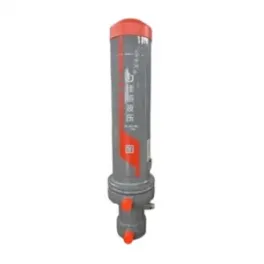
What Is a Crawler Crane Hydraulic Cylinder Used For?
22 October. 2026
Share:
A Crawler Crane Hydraulic Cylinder converts hydraulic pressure into controlled linear movement. It raises the boom, changes the boom angle, extends telescopic sections, and supports other crane functions. For companies searching for a crawler crane hydraulic cylinder replacement, the main challenge is not finding a cylinder that fits the mounting points. The cylinder must also match the crane’s pressure, stroke, load, pin size, oil system, and safety requirements. A correct match can reduce downtime, improve lifting control, and help protect the boom structure.
What Is a Crawler Crane Hydraulic Cylinder Used For?
A hydraulic cylinder helps a crawler crane control boom movement and related lifting functions.
A crawler crane hydraulic cylinder is a mechanical actuator that uses pressurized hydraulic oil to create pushing or pulling force. Inside the cylinder, oil pressure acts on a piston. The piston moves a chrome-plated rod, and the rod transfers force to the crane boom or another moving component.
The basic force formula is:
Force = Hydraulic pressure × Effective piston area
For example, a cylinder with a 200 mm bore has an approximate piston area of 0.0314 m². At 25 MPa hydraulic pressure, its theoretical pushing force is about 785 kN before friction and efficiency losses. Actual force depends on seal friction, rod-side area, oil temperature, valve losses, and the crane manufacturer’s design.
How a Crawler Crane Hydraulic Cylinder Works
The cylinder is part of a closed hydraulic circuit. A pump sends oil from the reservoir to a control valve. The valve directs oil to one side of the piston while allowing oil from the opposite side to return to the tank. Reversing the valve reverses the cylinder movement.
The control valve directs oil. The operator uses the control system to raise, lower, extend, or retract the cylinder.
Pressure creates force. Pressure rises when the cylinder meets resistance, such as the weight of the boom and load.
The piston and rod transfer movement. The rod moves the boom through pins, links, or a direct mounting system.
Seals control leakage. Rod seals, piston seals, wipers, and guide rings keep oil inside and dirt outside.
A cylinder does not determine the crane’s safe lifting capacity by itself. The final capacity also depends on boom length, working radius, counterweight, ground conditions, wire rope, sheaves, structural strength, and the load chart. Operators must follow the crane manufacturer’s rated capacity chart and operating instructions.
Main Applications of a Crawler Crane Hydraulic Cylinder
1. Boom lifting and lowering
The most common application is changing the boom angle. A boom cylinder pushes or pulls the boom through a controlled range. This movement allows the operator to place a load at different heights and working radii.
2. Telescopic boom extension
Some crawler cranes use hydraulic cylinders to extend and retract telescopic boom sections. The cylinder must provide enough stroke and retraction force while fitting inside the boom structure. Extension cylinders often work with sliding pads, wear plates, pins, and hydraulic synchronization systems.
3. Luffing and auxiliary boom systems
Large crawler cranes may use hydraulic cylinders in luffing systems or auxiliary attachments. These cylinders help set the position of a jib, mast, or special lifting attachment. The design must account for changing leverage as the angle changes.
4. Counterweight and transport functions
Some crane designs use hydraulic actuators to assist with counterweight installation, frame adjustment, or transport preparation. These functions may use smaller cylinders, but they still require correct load control and secure locking procedures.
5. Special lifting equipment
Crawler cranes used in bridge construction, wind turbine installation, shipyards, power plants, and heavy industrial projects may use custom hydraulic cylinders. These systems can include position sensors, hydraulic locks, synchronized cylinders, and high-pressure valves.
Why the Crawler Crane Hydraulic Cylinder Is Important
A hydraulic cylinder affects more than boom movement. Its condition influences control accuracy, operating speed, oil cleanliness, and structural loading.
Performance factor
How the cylinder affects it
What to check
Load control
Internal leakage can cause drift or slow movement.
Piston seals, control valves, and hydraulic lock valves
Operating speed
Restricted flow or a damaged hose reduces movement speed.
Flow rate, valve condition, filters, and hose routing
Service life
Contamination can scratch the rod and wear seals.
Oil cleanliness, rod wiper, breathers, and filter condition
Structural safety
Bent rods or damaged mounts can create uneven loads.
Rod straightness, welds, pins, bushings, and mounting brackets
Hydraulic systems are sensitive to contamination. ISO 4406 uses particle counts to classify hydraulic fluid cleanliness. The correct cleanliness target depends on the pump, valves, pressure level, and cylinder system. A maintenance team should follow the crane manufacturer’s oil and filtration specification instead of choosing a cleanliness code without system data.
How to Choose a Crawler Crane Hydraulic Cylinder
Do not select a replacement only by measuring the outside length. A safe selection requires a complete technical review.
1. Confirm the crane model and cylinder position
Record the crane brand, model, production year, serial number, and cylinder location. A single crane may use different cylinders for boom lifting, telescopic extension, steering, counterweight handling, or attachment control.
2. Match the critical dimensions
Closed length
Working stroke
Bore diameter
Rod diameter
Mounting pin diameter
Mounting width
Port size and port position
Overall clearance during retraction and extension
A stroke that is only a few millimeters too long can cause mechanical interference. A shorter stroke can prevent the boom from reaching the required angle. The mounting pin and bushing must also share the load correctly.
3. Match pressure and load requirements
Check the rated working pressure, maximum pressure, proof test pressure, and pressure-relief setting. The cylinder should be designed with a suitable safety margin for the application. Never increase system pressure to compensate for an incorrectly sized cylinder.
4. Check rod strength and buckling risk
A long, slender rod can buckle under compression. Buckling risk increases with free rod length, unsupported length, eccentric loading, and poor alignment. A supplier should review the cylinder’s mounting geometry, not only the bore and stroke.
5. Select suitable materials and coatings
Common cylinder materials include honed steel tubes, alloy steel piston rods, ductile iron or steel pistons, and engineered sealing materials. Rod coatings such as hard chrome or other engineered surface treatments help resist wear and corrosion. The correct coating depends on salt exposure, dust, temperature, pressure, and duty cycle.
6. Choose seals for the working environment
Seal material must match the hydraulic oil, temperature range, pressure, and speed. Common materials include polyurethane, nitrile rubber, fluorocarbon rubber, and PTFE compounds. A seal that works well in standard mineral oil may not be suitable for a different fluid or high-temperature application.
7. Consider position feedback
Modern crawler cranes may use linear sensors or proximity sensors to monitor cylinder position. If the original cylinder includes feedback equipment, the replacement must preserve sensor accuracy, wiring protection, and control-system compatibility.
Crawler Crane Hydraulic Cylinder Replacement Process
Replacement work should be completed by qualified technicians who understand crane hydraulics and load-control procedures. The following process is a general guide, not a substitute for the crane service manual.
Step 1: Secure the crane
Park the crane on firm, level ground. Remove the load, lower or support the boom according to the manufacturer’s procedure, isolate the hydraulic power source, and apply lockout/tagout controls. A raised boom must never be supported only by hydraulic pressure.
Step 2: Relieve hydraulic pressure
Move the control levers only as instructed by the service manual, and confirm that pressure has been released. Use a suitable pressure gauge when required. Never loosen a hydraulic fitting while the line may still contain trapped pressure.
Step 3: Inspect before removal
Photograph hose routing, port positions, sensor connections, pin orientation, and mounting hardware. Mark parts if needed. Inspect nearby pins, bushings, brackets, hoses, and valves because a new cylinder may fail early if the original alignment problem remains.
Step 4: Remove the old cylinder
Support the cylinder with approved lifting equipment. Remove retaining hardware and pins according to the service procedure. Cap or plug hydraulic hoses immediately to prevent oil loss and contamination.
Step 5: Compare the replacement
Before installation, compare the new cylinder with the old unit or approved drawing. Confirm the bore, stroke, closed length, rod diameter, ports, mounting eyes, grease points, sensors, and pressure rating.
Step 6: Install and align
Install the cylinder without forcing the pins into place. If the pins do not align, investigate the boom support or mounting geometry. Do not use hydraulic pressure to force a misaligned cylinder into position.
Step 7: Fill and bleed the system
Use the specified hydraulic oil. Bleed air according to the crane manufacturer’s instructions. Air in the cylinder can cause jerky movement, noise, heat, and unstable load control.
Step 8: Test without a load
Operate the cylinder slowly through its permitted range. Check for leaks, unusual noise, vibration, drift, hose rubbing, and sensor errors. Stop immediately if the rod bends or movement is uneven.
Step 9: Complete a controlled load test
Only authorized personnel should conduct a load test. Follow the applicable crane standard, the manufacturer’s test procedure, and local regulations. Record pressure, movement, leakage, and inspection results.
Maintenance Guide for a Crawler Crane Hydraulic Cylinder
Preventive maintenance is usually less expensive than emergency cylinder removal, but the inspection interval must match the crane’s duty cycle and manufacturer requirements.
Daily or pre-shift checks
Look for oil on the rod, seal gland, hoses, and fittings.
Check for dents, scoring, corrosion, or peeling on the rod.
Listen for knocking, squealing, or cavitation.
Check for boom drift when the control is neutral, using the approved procedure.
Inspect pins, bushings, retaining plates, and mounting welds.
Confirm that hoses do not rub against the boom or cylinder.
Scheduled maintenance
Test hydraulic oil condition and replace filters at the specified interval.
Grease pins and bushings with the recommended lubricant.
Check rod runout and cylinder alignment.
Inspect relief valves and load-holding valves.
Review the cylinder’s service history and leakage trend.
Replace damaged wipers before dirt reaches the main seals.
Oil leakage from the rod is not always caused by a worn seal. A scratched rod, excessive side load, contaminated oil, high back pressure, or incorrect gland assembly can create the same symptom. Replacing seals without correcting the cause may lead to another failure.
Common Crawler Crane Hydraulic Cylinder Problems and Solutions
Problem
Possible cause
Recommended action
Rod moves slowly
Low pump flow, blocked filter, restricted hose, or valve problem
Check flow, filter differential pressure, hoses, and control valves
Rod drifts under load
Internal seal leakage, valve leakage, or trapped air
Test cylinder leakage and inspect load-holding components
External oil leakage
Damaged rod seal, scored rod, loose fitting, or excessive pressure
Depressurize, identify the leak source, and repair with approved parts
Jerky movement
Air in the circuit, contamination, misalignment, or damaged guide rings
Bleed the system and inspect alignment, oil, and cylinder guides
Rod bends
Side load, overload, impact, poor pin alignment, or buckling
Stop operation and inspect the complete mounting structure
Check system pressure, return lines, oil level, and cylinder condition
Safety Standards and Technical References
Crane owners should use the standards and legal requirements that apply in their country and crane category. Useful technical references include:
, which covers cranes and derricks in construction in the United States.
, which provides general rules and safety requirements for hydraulic fluid power systems.
, which defines the coding method for reporting hydraulic fluid particle contamination levels.
, which provides access to European machinery compliance resources.
These references do not replace the crane manufacturer’s manual. The manual remains the primary source for rated pressure, lifting limits, inspection points, replacement dimensions, and test procedures.
Why Choose Jiaheng for a Crawler Crane Hydraulic Cylinder?
Jiaheng can support buyers who need a standard or custom hydraulic cylinder for crawler cranes and related heavy equipment. Before requesting a quotation, provide the crane model, cylinder drawing or photographs, bore, stroke, closed length, rod diameter, mounting dimensions, working pressure, oil type, operating temperature, and expected duty cycle.
A useful supplier should be able to explain material selection, seal design, surface treatment, welding quality, dimensional tolerances, pressure testing, and inspection records. Ask whether the cylinder is tested for leakage and pressure before shipment, and request a drawing for approval before production.
For a hydraulic cylinder for crawler crane boom, the most important purchasing decision is a verified match between the cylinder and the complete crane system. A low purchase price cannot offset incorrect stroke, poor alignment, unsuitable seals, or missing test records.
Frequently Asked Questions
What does a crawler crane hydraulic cylinder do?
It uses pressurized hydraulic oil to produce linear movement. Depending on the crane design, it may raise or lower the boom, extend a telescopic section, adjust a jib, or support a special attachment.
How do I know whether the hydraulic cylinder needs replacement?
Replacement may be necessary when the rod is bent or deeply scored, the barrel is damaged, internal leakage causes unsafe drift, the mounting eye is cracked, or the cylinder cannot meet its pressure and stroke requirements after repair. A qualified technician should confirm the failure.
Can I replace the cylinder with one that has the same bore and stroke?
No. Bore and stroke are only two specifications. The replacement must also match closed length, rod diameter, mounting dimensions, pressure rating, ports, seal materials, sensor configuration, and the crane’s load-control system.
Why does the cylinder leak after a seal replacement?
Possible causes include a scratched rod, damaged seal groove, incorrect seal orientation, contamination, excessive pressure, rod side load, or incorrect installation tools. The complete cylinder should be inspected rather than replacing only the visible seal.
How often should a crawler crane hydraulic cylinder be inspected?
Inspect it before each shift or operation, then complete scheduled inspections based on the crane manufacturer’s maintenance plan, operating hours, duty cycle, and local regulations. Heavy dust, salt, shock loading, and high utilization require closer inspection.
Can Jiaheng make a custom hydraulic cylinder?
Custom production may be possible when you provide accurate drawings, samples, dimensions, operating pressure, stroke, mounting details, seal requirements, and working conditions. Jiaheng should confirm the design and test requirements before production begins.
Next Steps
Start with the crane model and cylinder identification plate. Measure the existing unit, collect the hydraulic specifications, inspect the mounting structure, and compare the information with the service manual. Then ask Jiaheng for a technical review, approved drawing, production quotation, and pressure-test documentation. For safe operation, follow the manufacturer’s guide and arrange professional installation and testing of the crawler crane boom cylinder maintenance system before returning the crane to lifting work.