Meta description: Learn how Custom Made Hydraulic Cylinders are designed, what materials are used, where they are applied, and how to select a reliable supplier such as Jiaheng.
Hydraulic systems often work in tight spaces, high-load conditions, and changing temperatures. A standard cylinder may not match the required stroke, mounting style, pressure rating, or seal package. Custom Made Hydraulic Cylinders solve this problem by adapting the cylinder to the machine instead of forcing the machine to fit a catalog part. This guide explains Custom Hydraulic Cylinders for industrial machinery, including materials, design data, testing, applications, and supplier selection. It also shows how made-to-order hydraulic cylinders for heavy equipment can reduce installation problems and improve system reliability.
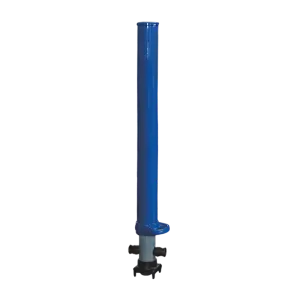
Custom Made Hydraulic Cylinders are hydraulic actuators designed and manufactured for a specific machine or operating condition. They convert hydraulic fluid pressure into linear movement.
A basic cylinder includes:
- Cylinder tube: The pressure-holding body
- Piston: Separates the two fluid chambers
- Piston rod: Transfers force to the machine
- Rod gland: Guides and supports the rod
- Seals: Prevent internal and external leakage
- End caps: Close the cylinder and connect it to the machine
- Mounting parts: Such as clevises, trunnions, flanges, or spherical eyes
The output force is calculated from hydraulic pressure and piston area:
Extension force = Pressure × Piston area
For example, a cylinder with a 100 mm bore has a piston area of approximately 0.00785 m². At 160 bar, or 16 MPa, the theoretical extension force is:
16,000,000 × 0.00785 = approximately 125.6 kN
Actual force is lower because of seal friction, pressure loss, and mechanical resistance.
A custom design may change the following specifications:
- Bore diameter
- Rod diameter
- Stroke length
- Working pressure
- Test pressure
- Mounting dimensions
- Port size and port location
- Seal material
- Surface treatment
- Operating temperature
- Corrosion resistance
- Sensor or position feedback options
Hydraulic cylinder design should follow the working requirements of the complete system. ISO 4413 provides general rules and safety requirements for hydraulic fluid power systems, while ISO 6020/2 and ISO 6022 provide dimensional and pressure-related guidance for specific hydraulic cylinder designs.
What Are Custom Made Hydraulic Cylinders?
Material selection affects strength, fatigue life, corrosion resistance, sealing performance, and total cost. The correct material depends on pressure, load, speed, environment, and maintenance conditions.
What Materials Are Used for Custom Hydraulic Cylinders?
Cylinder Tube Materials
The cylinder tube must resist internal pressure and maintain a smooth inner surface for the piston seals.
Common choices include:
- Carbon steel: Used in general industrial and mobile equipment
- Cold-drawn steel tube: Provides good dimensional accuracy
- Honed steel tube: Offers a smooth inner surface for lower seal wear
- Stainless steel: Used in food processing, marine, chemical, and washdown environments
- Chrome-plated or coated tube: Selected when corrosion resistance is important
A honed tube is especially useful because the internal surface finish affects seal life. Excessive roughness can damage seals, while an unsuitable surface can prevent proper oil film formation.
Piston Rod Materials
The piston rod carries tensile and compressive loads. It must resist bending, wear, and corrosion.
Common rod materials include:
- C45 or SAE 1045 steel: Suitable for standard applications
- 42CrMo or equivalent alloy steel: Used when higher strength is required
- Induction-hardened steel: Improves surface hardness and wear resistance
- Hard-chrome-plated rod: Common for general hydraulic service
- Stainless steel rod: Used in wet, outdoor, or corrosive environments
- Nickel-chrome coated rod: Provides higher corrosion resistance than standard chrome plating in demanding conditions
A rod that is too small may buckle under compression. A rod that is too large increases cylinder weight, cost, and the amount of oil required on the rod side.
Piston and End-Cap Materials
Pistons and end caps are usually made from:
- Carbon steel
- Alloy steel
- Ductile iron
- Aluminum alloy for selected low-load applications
- Stainless steel for corrosive environments
The piston must support the seal and guide rings without excessive deformation. End caps must also handle the pressure load transferred from the tube and mounting connection.
Hydraulic Seal Materials
Seal selection depends on fluid type, temperature, pressure, speed, and contamination.
Typical materials include:
- NBR: Common for mineral-based hydraulic oil and moderate temperatures
- PU or polyurethane: Good abrasion resistance for many mobile applications
- FKM: Selected for higher-temperature or chemically demanding conditions
- PTFE: Used where low friction and chemical resistance are needed
- EPDM: Used with certain water-based fluids, but generally not with standard mineral oil
The manufacturer should confirm fluid compatibility before production. A seal that works well with mineral oil may fail quickly when used with water-glycol fluid, phosphate ester fluid, or another chemical medium.
Custom Hydraulic Cylinders Design Process
A reliable cylinder begins with correct operating data. A supplier should not design from bore and stroke alone.
1. Define the Load
Record:
- Maximum pushing force
- Maximum pulling force
- Static and dynamic loads
- Load direction
- Side load or offset load
- Required safety factor
- Load frequency and duty cycle
Hydraulic cylinders are designed mainly for axial loads. Side loading can damage the rod, guide, seals, and tube. If side load cannot be avoided, the machine may need external guides, spherical bearings, or a different linkage design.
2. Select Bore and Rod Diameter
The bore controls extension force. The rod diameter affects retraction force and buckling resistance.
For a double-acting cylinder:
Extension force = P × πD² ÷ 4
Retraction force = P × π(D² − d²) ÷ 4
Where:
- P = hydraulic pressure
- D = piston diameter
- d = rod diameter
For example, a 100 mm bore with a 50 mm rod at 160 bar produces:
- Extension force: about 125.6 kN
- Retraction force: about 94.2 kN
These are theoretical values. Engineers must also allow for friction, pressure losses, impact loads, and load variation.
3. Confirm Stroke and Installation Space
Stroke is the distance the rod must travel. The design should also include:
- Retracted length
- Extended length
- Pin-to-pin distance
- Available mounting space
- Required rotation angle
- Maintenance clearance
- Hose and port clearance
A long stroke increases the risk of rod buckling. The supplier should check the unsupported rod length using an appropriate buckling method, such as Euler buckling analysis for suitable end conditions.
4. Choose the Mounting Style
Common mounting options include:
- Front flange
- Rear flange
- Foot mount
- Side lug
- Clevis mount
- Trunnion mount
- Cross-tube mount
- Spherical bearing mount
- Threaded rod end
- Welded or bolted machine connection
The mounting method must match the load path. A strong cylinder can still fail if the mounting brackets are too thin or poorly aligned.
5. Select Pressure and Speed Ratings
Specify both normal and maximum pressure. A cylinder may experience pressure spikes when a load stops suddenly or when a valve closes quickly.
Also provide:
- Average operating speed
- Maximum rod speed
- Cycle frequency
- Cushioning requirements
- Flow rate
- Ambient temperature
- Hydraulic fluid type
At a fixed flow rate, cylinder speed depends on effective piston area:
Speed = Flow rate ÷ Effective area
For example, if a cylinder receives 30 L/min and has an extension area of 0.00785 m², the theoretical extension speed is about 0.064 m/s, or 64 mm/s. Actual speed depends on valve losses, leakage, and system pressure.
6. Add Cushioning and Position Feedback
End-of-stroke cushioning reduces impact when the piston reaches the cap. It is useful for:
- High-speed cylinders
- Heavy loads
- Frequent cycling
- Long-stroke equipment
- Machines with sudden stopping requirements
Position feedback may use:
- Linear potentiometers
- Magnetostrictive sensors
- Reed switches
- Proximity sensors
- Integrated electronic transducers
These options help automated equipment monitor stroke position and prevent overtravel.
Custom Hydraulic Cylinders for Industrial Applications
Custom hydraulic cylinders are used when standard dimensions do not meet the machine’s force, space, or environmental requirements.
Construction and Mining Equipment
Applications include:
- Excavator attachments
- Dump truck hoists
- Wheel loaders
- Drilling machines
- Rock crushers
- Material handling arms
- Mining conveyors
These cylinders may require high strength, impact resistance, hard-chrome rods, protective rod guards, and reinforced mounting points. The design must also account for dust, vibration, cold starts, and shock loads.
Agricultural Machinery
Hydraulic cylinders are used in:
- Plows
- Seeders
- Harvesters
- Sprayers
- Bale equipment
- Tractor attachments
- Irrigation systems
Agricultural cylinders often operate outdoors and are exposed to mud, fertilizer, rain, and temperature changes. Stainless steel components, improved rod coatings, wiper seals, and corrosion-resistant fasteners can extend service life.
Manufacturing and Automation
Factory equipment may use custom cylinders for:
- Presses
- Clamping systems
- Punching machines
- Sheet-metal equipment
- Injection molding systems
- Assembly lines
- Material positioning units
These applications often need repeatable movement, controlled speed, compact dimensions, and sensor feedback. A custom cylinder can be designed to match the machine frame and reduce the need for extra adapters.
Steel and Metal Processing
Steel mills and metal plants use hydraulic cylinders for:
- Roll adjustment
- Coil handling
- Cutting equipment
- Ladle systems
- Furnace doors
- Billet handling
- Positioning mechanisms
High heat, scale, water spray, and abrasive particles require special sealing and protection. The supplier may recommend heat shields, extended glands, special wipers, or higher-temperature seal materials.
Marine and Offshore Equipment
Marine cylinders may operate in salt spray and high humidity. Common uses include:
- Hatch covers
- Steering systems
- Winches
- Gangways
- Deck machinery
- Lifting platforms
These cylinders commonly need stainless steel or advanced surface coatings. Corrosion testing, drainage design, and sealed mounting areas are important parts of the specification.
Waste and Recycling Equipment
Hydraulic cylinders control:
- Compactors
- Balers
- Waste container lifters
- Sorting equipment
- Truck-mounted collection systems
These machines experience contamination, shock, and repeated cycles. Strong wiper seals and protected rod surfaces help reduce damage from dust, paper fibers, metal particles, and moisture.
Energy and Infrastructure Equipment
Custom cylinders are also used in:
- Hydropower gates
- Solar tracking equipment
- Wind turbine service equipment
- Bridge maintenance systems
- Lock gates
- Dam mechanisms
- Industrial lifting platforms
Infrastructure cylinders may need long service intervals, special corrosion protection, and detailed inspection records.
Why Custom Hydraulic Cylinders Are Important
Better Fit for the Machine
A custom cylinder can match the exact pin spacing, stroke, port location, and mounting geometry. This can reduce modification work during installation.
Correct Force and Motion
The bore, rod, stroke, and pressure rating are selected for the actual load. This helps avoid using a cylinder that is too small, too heavy, or inefficient.
Improved Environmental Protection
The design can include suitable coatings, wipers, seals, and corrosion-resistant materials for outdoor, marine, high-temperature, or dusty environments.
Lower Risk of Side Loading
Custom mounting and alignment features can help keep the load closer to the cylinder centerline. This reduces stress on the rod and guide system.
Easier Equipment Integration
A cylinder may be supplied with:
- Integrated sensors
- Special ports
- Hydraulic locks
- Counterbalance valves
- Custom brackets
- Position indicators
- Protective covers
This can simplify connection to the machine’s hydraulic and control systems.
Better Maintenance Planning
A properly documented cylinder should include:
- Part number
- Drawing
- Seal kit information
- Material details
- Pressure test record
- Surface treatment data
- Recommended oil and maintenance notes
This information makes future repair and replacement more predictable.
Testing and Quality Control for Custom Hydraulic Cylinders
Before delivery, the cylinder should pass dimensional, pressure, and functional checks.
Dimensional Inspection
Inspectors should verify:
- Bore diameter
- Rod diameter
- Stroke
- Retracted and extended length
- Mounting dimensions
- Pin-hole diameter
- Port thread
- Port location
- Surface coating thickness
- Straightness and runout
Critical dimensions should be measured with calibrated equipment.
Pressure Testing
A pressure test checks whether the cylinder can hold pressure without external leakage or unacceptable internal leakage. The test pressure and holding time should be defined by the design standard, customer specification, and application risk.
The buyer should request:
- Test pressure
- Test duration
- Test medium
- Leakage result
- Test date
- Inspector or quality record
Functional Testing
A complete test may include:
- Full extension and retraction
- Speed check
- Cushioning check
- Sensor operation
- Port leakage inspection
- Abnormal noise inspection
- Rod movement check
For critical applications, additional checks such as non-destructive testing, material certificates, or fatigue testing may be required.
Standards and Technical References
Useful industry references include:
- ISO 4413: Hydraulic fluid power system safety and general rules
- ISO 6020/2: Mounting dimensions for hydraulic cylinders operating at medium pressure
- ISO 6022: Mounting dimensions for hydraulic cylinders operating at higher pressure
- ISO 10100: Hydraulic fluid power cylinder acceptance tests
- SAE J1343: Hydraulic cylinder performance and terminology reference
The final design should follow the standard that matches the equipment and market requirements.
How to Choose a Custom Hydraulic Cylinder Manufacturer
A supplier should be evaluated on engineering ability, production control, and communication—not only unit price.
Check Engineering Support
Ask whether the manufacturer can review:
- Load calculations
- Rod buckling
- Mounting alignment
- Port configuration
- Seal compatibility
- Operating temperature
- Duty cycle
- Corrosion requirements
A supplier that only copies dimensions may miss important operating risks.
Request a Technical Drawing
Before production, review a drawing that shows:
- Bore and rod size
- Stroke
- Mounting details
- Port size and position
- Material requirements
- Surface finish
- Seal type
- Tolerances
- Test requirements
A signed drawing helps prevent misunderstandings between the buyer and manufacturer.
Confirm Production and Inspection Capability
Ask about:
- Honing equipment
- Rod grinding and polishing
- Chrome plating or other coatings
- CNC machining
- Welding procedures
- Clean assembly areas
- Pressure testing
- Traceability
- Quality certificates
For large or safety-critical cylinders, request inspection records and material certificates.
Evaluate Communication and After-Sales Support
A dependable supplier should provide clear answers about:
- Design changes
- Sample approval
- Production schedule
- Replacement seals
- Repair support
- Warranty terms
- Packaging
- Shipment documentation
Jiaheng can be considered when buyers need support for custom hydraulic cylinder design, production, and application matching. The correct selection should still be based on drawings, test data, material requirements, and the actual working environment.
Common Problems and Practical Solutions
Oil Leakage at the Rod
Possible causes include:
- Damaged rod seal
- Scratched or corroded rod
- Excessive side load
- Incorrect seal material
- High temperature
- Contaminated hydraulic oil
Solutions may include checking rod alignment, replacing the seal kit, improving filtration, and selecting a more suitable rod coating.
Cylinder Moves Slowly
Possible causes include:
- Insufficient pump flow
- Blocked filter
- Incorrect valve setting
- Internal seal leakage
- Air in the hydraulic circuit
- Excessive mechanical resistance
The system should be checked from the pump to the actuator rather than replacing the cylinder immediately.
Rod Bends or Buckles
This can result from:
- Excessive compression load
- Long unsupported stroke
- Poor mounting alignment
- Side loading
- Incorrect rod diameter
A new design may require a larger rod, shorter unsupported length, guided support, or a different mounting arrangement.
Uneven or Jerky Movement
Potential causes include:
- Air in the system
- Contaminated oil
- Damaged guide rings
- Uneven load
- Incorrect flow control
- Seal friction
- Poor alignment
Bleeding the system and checking the mechanical linkage should come before changing the cylinder specification.
Custom Hydraulic Cylinders FAQ
What information is needed for a custom cylinder quotation?
Provide the bore, rod diameter, stroke, working pressure, maximum pressure, mounting style, port size, seal material, hydraulic fluid, operating temperature, cycle rate, and quantity. A drawing or photos of the installation area are also helpful.
How long does it take to manufacture a custom hydraulic cylinder?
The time depends on design complexity, material availability, quantity, testing, and surface treatment. A simple repeat order may move faster than a new cylinder requiring drawings, samples, sensors, or special coatings. Request a written schedule for design approval, production, inspection, and shipment.
Can a custom cylinder replace a standard hydraulic cylinder?
Yes, if the replacement matches the required force, stroke, pressure, mounting dimensions, speed, and seal compatibility. The new cylinder should not be selected by external appearance alone.
What is the difference between single-acting and double-acting cylinders?
A single-acting cylinder uses hydraulic pressure in one direction and returns through gravity, a spring, or an external force. A double-acting cylinder uses hydraulic pressure for both extension and retraction. Double-acting designs provide better control when the load must move in both directions.
How can cylinder life be improved?
Use clean hydraulic oil, maintain filtration, prevent side loading, protect the rod from impact, inspect wipers and seals, and operate within the rated pressure and temperature range. Correct alignment is one of the most important factors in reducing premature wear.
Are stainless steel hydraulic cylinders always better?
No. Stainless steel improves corrosion resistance, but it can cost more and may not provide the best choice for every load or pressure. A coated carbon-steel cylinder may be suitable for many outdoor applications. Material selection should match the environment and mechanical requirements.
Can Jiaheng produce cylinders with special mounting or sensors?
Custom mounting, port arrangements, coatings, seals, and position feedback may be possible depending on the design and production requirements. Send Jiaheng the machine drawing, operating data, and required quantity for technical review.
Next Steps for Selecting Custom Made Hydraulic Cylinders
Start by recording the machine’s load, pressure, stroke, speed, duty cycle, temperature, fluid type, and mounting dimensions. Then ask the manufacturer for a technical drawing, material proposal, pressure-test plan, and delivery schedule.
For a more reliable result, compare suppliers using engineering support and test documentation rather than price alone. If you are planning a new project or replacing an existing actuator, contact Jiaheng with your cylinder dimensions and operating conditions. A properly specified custom cylinder can improve machine fit, reduce installation changes, and support more predictable maintenance over the equipment’s service life. For deeper planning, review the manufacturer’s user guide and request a custom hydraulic cylinder quotation based on measured application data.
Sources and Technical References
- ISO — Hydraulic fluid power standards, including ISO 4413, ISO 6020/2, ISO 6022, and ISO 10100: https://www.iso.org/
- SAE International — Hydraulic system and cylinder engineering standards: https://www.sae.org/
- Parker Hannifin — Hydraulic cylinder engineering and seal technology resources: https://www.parker.com/
- Bosch Rexroth — Hydraulic cylinder and fluid power engineering resources: https://www.boschrexroth.com/
- NFPA — National Fluid Power Association technical resources: https://www.nfpa.com/