## Understanding How Concrete Pump Hydraulic Cylinders Work
Concrete pump hydraulic cylinders play a crucial role in the concrete pumping industry, converting hydraulic energy into mechanical energy to efficiently transport concrete from the mixer to the desired location. This article delves into the intricate workings of these systems, highlighting key components and their functionality.
### Key Components
At the heart of a concrete pump hydraulic cylinder is the hydraulic cylinder itself, which consists of a cylinder barrel, piston, and piston rod. The cylinder barrel holds hydraulic fluid and creates a sealed environment. The piston, which moves back and forth within the cylinder, is connected to the concrete pump's boom or arm, translating hydraulic pressure into linear motion.
In addition to the cylinder, a hydraulic system includes pumps, valves, and accumulators. The hydraulic pump generates the necessary pressure by drawing fluid from a reservoir and pushing it into the cylinder. Control valves manage the flow of fluid, directing it to either side of the piston to facilitate movement. Accumulators store hydraulic fluid under pressure, allowing for quick responses in operation.
### How It Works
When the operator activates the concrete pump, the hydraulic pump delivers high-pressure fluid into the cylinder. The fluid forces the piston to move, which, in turn, pushes concrete through the pump and into the delivery line. As the piston retracts, fluid is drawn back into the cylinder, allowing for a continuous cycle of operation.
Advanced technology in hydraulic systems enhances efficiency in production processes. Modern concrete pump hydraulic cylinders incorporate electronic control systems that provide precise control over the pumping speed and pressure. For example, sensors can detect the pressure level in the line and automatically adjust the pump performance to prevent blockages or reduce wear and tear on components.
### Practical Applications
One practical scenario involves pouring concrete for high-rise buildings. A concrete pump equipped with an advanced hydraulic cylinder can transport concrete to significant heights at a rapid rate. This efficiency not only speeds up construction timelines but also minimizes labor costs and materials waste.
Furthermore, such technology is vital in urban settings where space constraints and logistical challenges may hinder traditional pouring methods. The hydraulic cylinder's ability to deliver concrete at various angles allows construction workers to easily maneuver around obstacles.
In conclusion, understanding the operation of concrete pump hydraulic cylinders is essential for appreciating their role in modern construction. Their advanced technological integration allows for efficient production and application in various scenarios. For more information or to find reputable suppliers, please contact us.



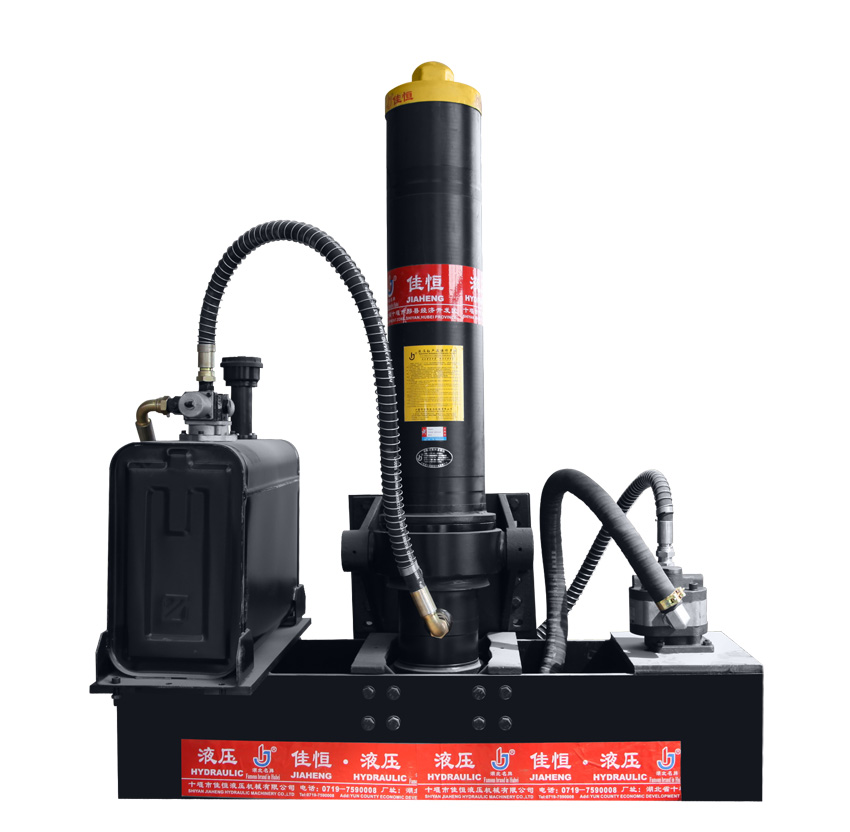
 Large Bore Dump Truck Hydraulic Cylinder