## How Hydraulic Cylinders for Tipper Trucks Work
Hydraulic cylinders play a crucial role in the operation of tipper trucks, facilitating the lifting and unloading of heavy materials. The hydraulic cylinder converts hydraulic energy into mechanical energy, enabling the truck bed to pivot and discharge its load efficiently. Understanding how these cylinders work involves exploring their key components, mechanisms, and the advanced technologies that enhance their efficiency.
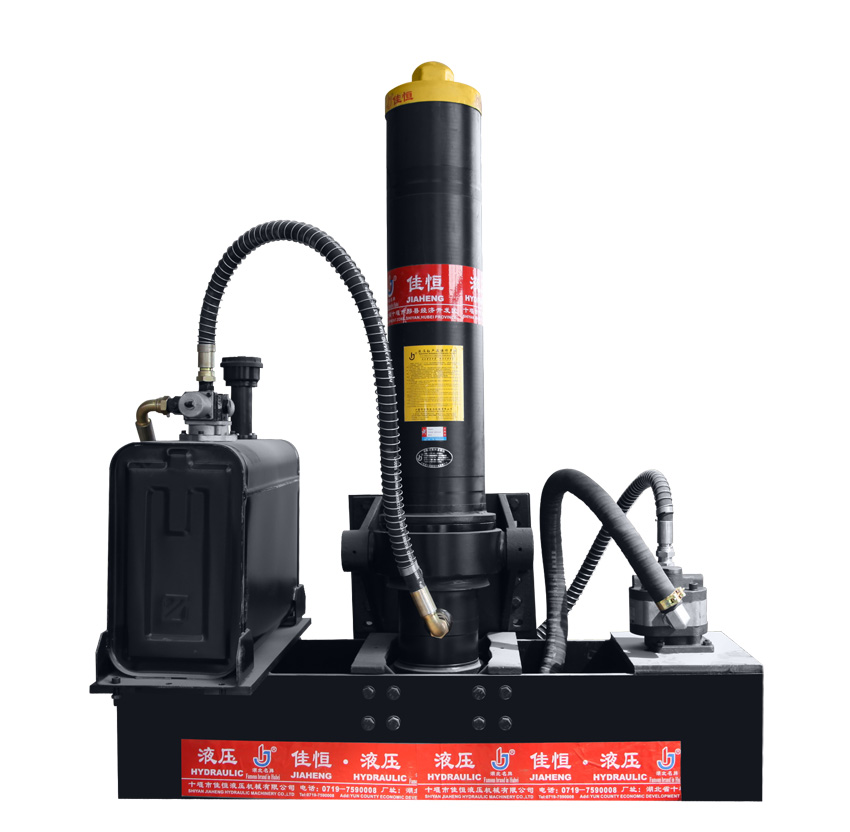
At the core of a hydraulic cylinder are three main components: the cylinder barrel, the piston, and the end caps. The cylinder barrel serves as the housing that contains hydraulic fluid, typically oil, which provides the necessary force to initiate movement. Inside the barrel, the piston slides back and forth. This piston is connected to the truck bed and, when actuated, allows for the lifting and lowering of the bed. The end caps seal both ends of the barrel, maintaining pressure within the system to facilitate smooth motion.
The operational principle of hydraulic cylinders is based on Pascal's law, which states that pressure applied to a confined fluid is transmitted undiminished throughout the fluid. When hydraulic fluid is pumped into one side of the piston, it creates a pressure difference that pushes the piston. This movement raises the truck bed. Conversely, when the fluid is released, the bed lowers back into its original position. Control valves are integral to this process, allowing operators to regulate the flow of hydraulic fluid and, consequently, the speed and angle of lift.
Advancements in hydraulic technology, such as electronic control systems and smart sensors, have significantly improved the effectiveness of hydraulic cylinders in tipper trucks. These technologies provide real-time feedback, optimizing fluid distribution and enhancing precision in the lifting and lowering processes. For instance, some modern tipper trucks feature automated systems that can be programmed for specific dump angles and load types, ensuring efficient operation with minimal operator intervention.
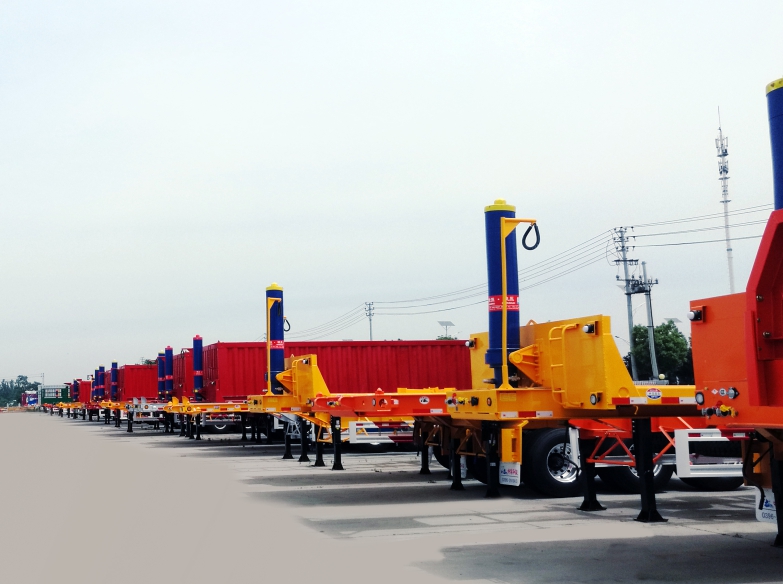
In practical scenarios, consider a construction site where a tipper truck equipped with hydraulic cylinders makes unloading materials like gravel or sand efficient and quick. The operator can simply activate the system from the cab, and within seconds, the cylinder lifts the truck bed at an optimal angle, ensuring a complete and precise discharge of material.
In conclusion, hydraulic cylinders are integral to the functionality of tipper trucks, with advanced technology playing a pivotal role in enhancing their efficiency and reliability. As suppliers of hydraulic cylinder solutions continue to innovate, the manufacturing and transport sectors are poised to benefit greatly from these advancements. For further information on hydraulic cylinders for tipper trucks, feel free to contact us to discuss your needs and explore the best solutions available in the market.

 Technical & Specification-Focused Keywords