## Understanding Carbon Fiber Hydraulic Cylinder Engineering
Carbon Fiber Hydraulic Cylinder Engineering is a pioneering technology that merges the lightweight properties of carbon fiber with the robust functionality of hydraulic systems. This innovative approach not only enhances performance but also meets the rigorous demands of modern engineering applications.
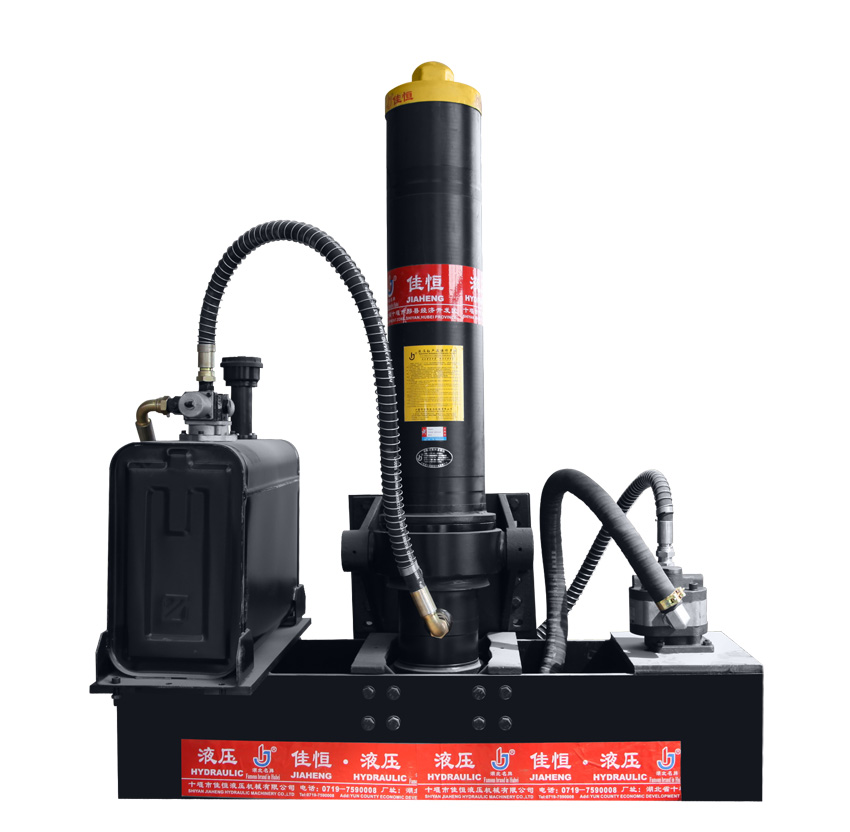
At its core, a carbon fiber hydraulic cylinder consists of several key components: the cylinder barrel, piston, seals, and hydraulic fluid. The cylinder barrel is typically constructed from a composite material that combines carbon fiber with resin, offering exceptional strength-to-weight ratios. This allows for reduced overall weight while maintaining structural integrity under high pressure.
The piston, which moves within the cylinder, is responsible for generating force that enables the hydraulic system to function effectively. Seals play a critical role in preventing fluid leakage, ensuring the hydraulic fluid remains contained and operates efficiently. Hydraulic fluid, usually oil, transmits force throughout the system, converting hydraulic energy into mechanical work.
The unique properties of carbon fiber come into play significantly during operation. The material is highly resistant to fatigue and corrosion, extending the lifespan of hydraulic cylinders, even under extreme conditions. For instance, in the aerospace sector, these cylinders are used in landing gear systems, where weight reduction directly improves fuel efficiency and overall aircraft performance.
Advanced technology also plays a crucial role in the manufacturing processes of carbon fiber hydraulic cylinders. Automation and computer-aided design (CAD) allow for precise engineering and consistent quality in production. This technology facilitates the layering of carbon fibers during the curing process, ensuring optimal alignment and strength. By employing advanced manufacturing techniques, such as resin transfer molding, engineers can create complex shapes that traditional materials may not accommodate.
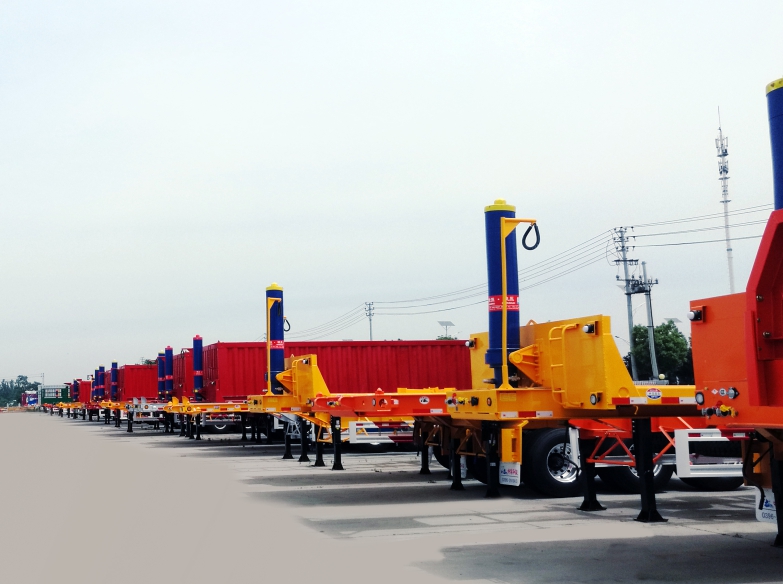
An example of practical application can be seen in the automotive industry. Electric vehicles with carbon fiber hydraulic cylinders for braking systems enhance performance by minimizing weight, leading to improved acceleration and handling. Additionally, construction machinery utilizes these hydraulics to lift and tilt heavy loads more efficiently, showcasing the versatility of carbon fiber in various contexts.
In summary, Carbon Fiber Hydraulic Cylinder Engineering represents a significant advancement in manufacturing, bolstering both efficiency and performance across industries. This innovative technology not only optimizes production processes but also fulfills the evolving needs of modern engineering applications. For those interested in incorporating these advanced systems into their projects or seeking reliable suppliers, do not hesitate to contact us.

 Corrosion Resistant Hydraulic Cylinder