## Understanding Carbon Fiber Hydraulic Cylinders for Robotics
Carbon Fiber Hydraulic Cylinders represent a significant advancement in the field of robotics, combining the strengths of carbon fiber material with hydraulic systems to create efficient, lightweight, and highly durable actuators. These cylinders play a crucial role in enabling robots to perform precise movements under substantial loads, making them invaluable in various industrial and manufacturing scenarios.
At the core of a Carbon Fiber Hydraulic Cylinder is its key component: the carbon fiber composite structure. Carbon fiber offers remarkable strength-to-weight ratios compared to traditional materials like steel or aluminum. This feature is essential in robotic applications where payload capacity and speed are critical. The cylinder typically consists of a high-pressure chamber that contains hydraulic fluid. As the fluid is pumped into the chamber, it creates pressure that moves a piston. The piston, made from a sturdy yet lightweight material, pushes or pulls to create desired motion, whether it be lifting, rotating, or moving an entire robotic appendage.
One of the key mechanisms at play in this system is hydraulic force multiplication. When pressure is applied to the fluid, it transmits this pressure uniformly throughout the cylinder, allowing for amplified force output from a compact system. This efficiency reduces the size and weight of the hydraulic system required for operation, enabling more agile and faster robotic movements.
Advanced technology plays a significant role in the development and functioning of these cylinders. For instance, the use of computer-aided design (CAD) and finite element analysis (FEA) ensures that the structures are optimally designed for strength and minimal weight. Furthermore, these cylinders often incorporate smart sensors that monitor parameters like pressure, temperature, and performance in real-time, allowing for responsive adjustments in automated processes. This data-driven approach not only enhances the performance of robotic systems but also significantly improves maintenance cycles, reducing downtime.
Practical applications of Carbon Fiber Hydraulic Cylinders can be seen in automotive manufacturing, where robots equipped with these cylinders can perform assembly tasks with precision and speed. Automated robotic arms use them for tasks such as welding, painting, and heavy lifting. In the aerospace sector, the lightweight design helps build drones and other unmanned aerial vehicles, where every ounce of weight saved can enhance performance and fuel efficiency.
As the demand for advanced manufacturing increases, particularly in automation and robotics, Carbon Fiber Hydraulic Cylinders are emerging as a crucial technology. Their efficiency facilitates streamlined production processes, ensuring that modern factories can meet the challenges of contemporary industry.
For those looking to explore the potential of Carbon Fiber Hydraulic Cylinders in their operations or seeking suppliers, do not hesitate to contact us for more information.

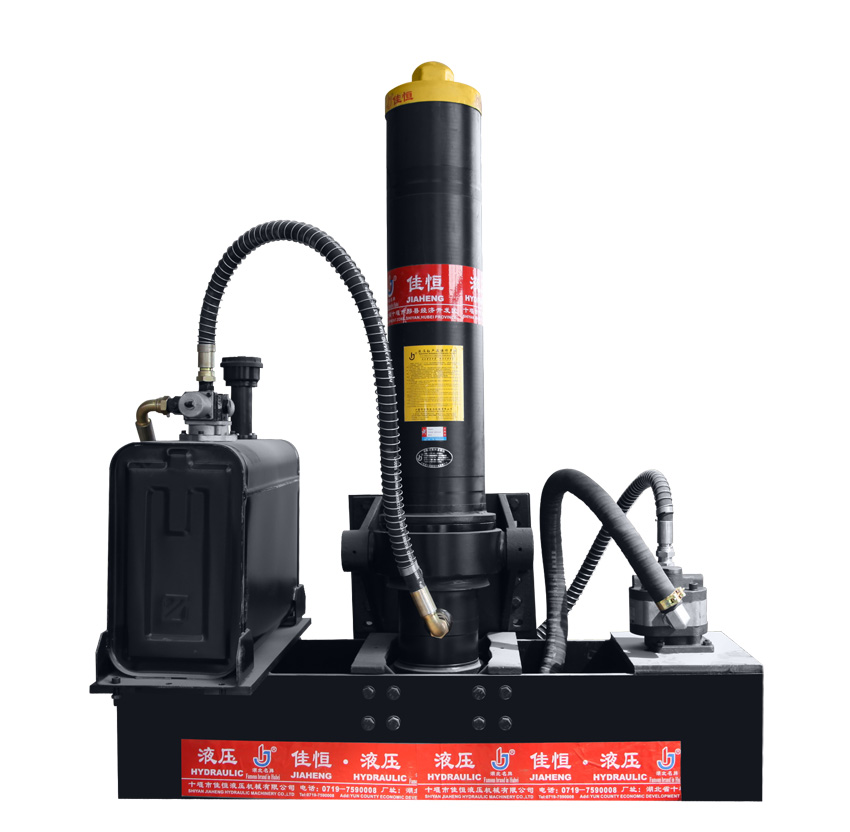
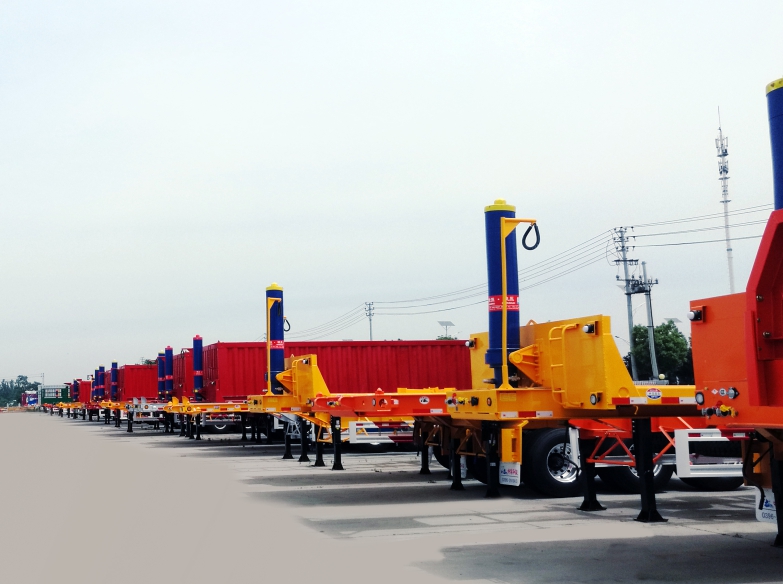
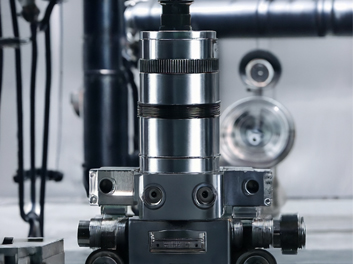
 Carbon Fiber Cylinder Manufacturer