## Understanding the Carbon Fiber Piston Rod Hydraulic Cylinder
The Carbon Fiber Piston Rod Hydraulic Cylinder represents a significant advancement in hydraulic technology, showcasing how innovative materials and engineering can enhance performance and efficiency in manufacturing processes. This article explains the working mechanisms, key components, and applications of this cutting-edge device.
At its core, a Carbon Fiber Piston Rod Hydraulic Cylinder consists of several essential components: the piston rod, cylinder barrel, piston, seals, and hydraulic fluid. The piston rod, made from high-strength carbon fiber, is designed to endure substantial tensile and compressive stresses while remaining lightweight. This material offers improved stiffness and durability compared to traditional steel rods, significantly reducing the overall weight of the hydraulic cylinder.
The operation of the hydraulic cylinder begins when hydraulic fluid, typically oil, enters the cylinder barrel through an inlet port. This fluid exerts pressure on the piston, causing it to move and generate mechanical force. The unique properties of the carbon fiber piston rod ensure that this force transfers efficiently to the connected machinery or structural components. The seals within the cylinder prevent fluid leakage, maintaining optimal pressure and performance throughout the cylinder's operation.
One of the critical advantages of carbon fiber technology is its ability to withstand extreme conditions. It’s resistant to corrosion, temperature fluctuations, and fatigue, making it ideal for demanding industrial environments. For instance, in the aerospace sector, where weight reduction is crucial, carbon fiber piston rods facilitate more efficient designs and greater fuel efficiency in aircraft systems.
In the automotive industry, carbon fiber piston rods are utilized in hydraulic systems for advanced vehicles. By implementing these lightweight components, manufacturers can produce cars that deliver better performance, lower emissions, and heightened safety due to improved handling capabilities. In robotic automation, these cylinders play a vital role by providing the high-speed, high-precision motions required for assembly lines and manufacturing cells.
Furthermore, the integration of advanced technology, such as computer-aided design (CAD) and simulation software, enables engineers to optimize the design of carbon fiber hydraulic cylinders for specific applications. This enhances production processes, reduces waste, and ensures that each component meets stringent industry standards.
In conclusion, the Carbon Fiber Piston Rod Hydraulic Cylinder exemplifies how modern materials technology is shaping the future of manufacturing. Its applications across various industries not only enhance efficiency but also pave the way for innovative engineering solutions. For those looking to explore these advanced hydraulic solutions further or seek reliable suppliers, we encourage you to contact us for more information about the latest offerings in carbon fiber hydraulic technology.

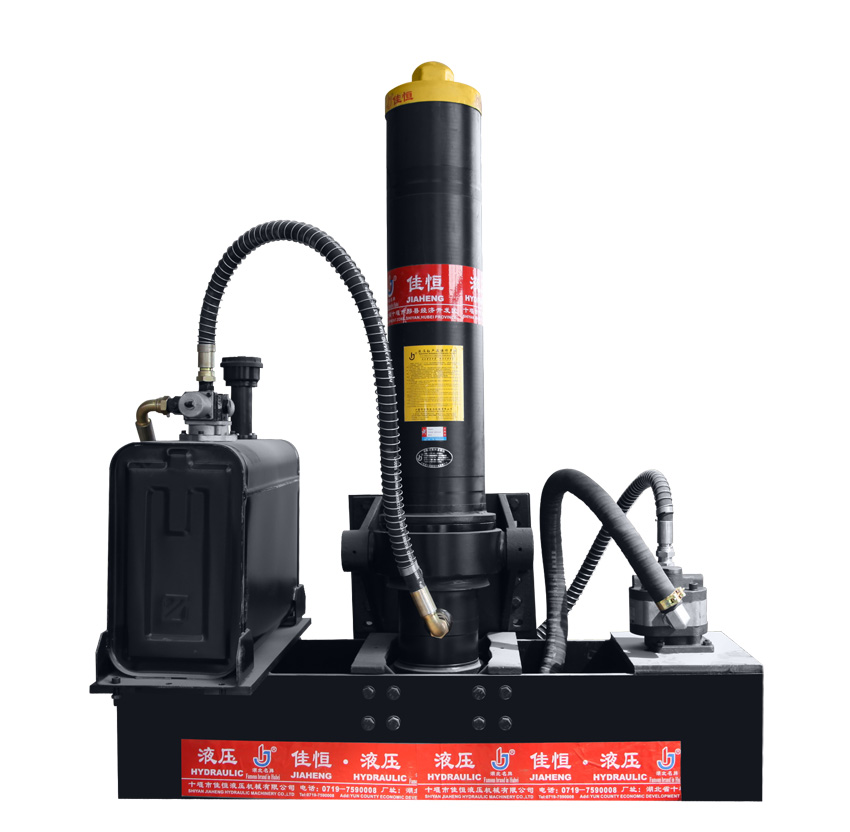
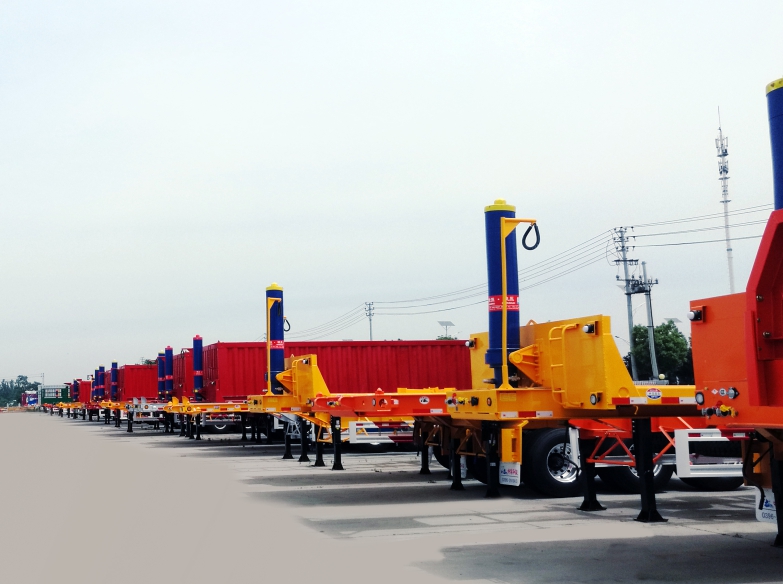
 Dump Truck Lift Cylinder