## Understanding How Composite Hydraulic Cylinder Suppliers Work
Composite hydraulic cylinders have revolutionized various industries with their lightweight, durable, and corrosion-resistant properties. Suppliers of these advanced components play a pivotal role in driving innovation in hydraulic systems. Let's delve into the inner workings of a composite hydraulic cylinder supplier, exploring its key components and the mechanisms that ensure efficient production.
At the core of a composite hydraulic cylinder is the cylinder body, typically constructed from a combination of carbon fiber or fiberglass reinforced polymer and metal components. This unique blend significantly reduces weight while maintaining strength—an advantage in applications where weight reduction is crucial, such as in aerospace and automotive engineering. The piston, another essential element, is designed to move fluid within the cylinder, translating hydraulic energy into mechanical energy.
Suppliers leverage advanced manufacturing technologies such as Computer Numerical Control (CNC) machining, automated lay-up processes, and injection molding to produce these components. CNC machines offer precision and consistency, allowing for tight tolerances that enhance performance and reliability. In conjunction with automated lay-up techniques, which meticulously position composite layers, these technologies ensure the structural integrity of the cylinder.
The quality control process is equally critical in the supply chain. Suppliers often employ non-destructive testing methods like ultrasonic and radiographic inspections to guarantee that each cylinder meets stringent industry standards. This attention to quality ensures that the cylinders deliver optimal performance under pressure, reducing the likelihood of failures in demanding environments.
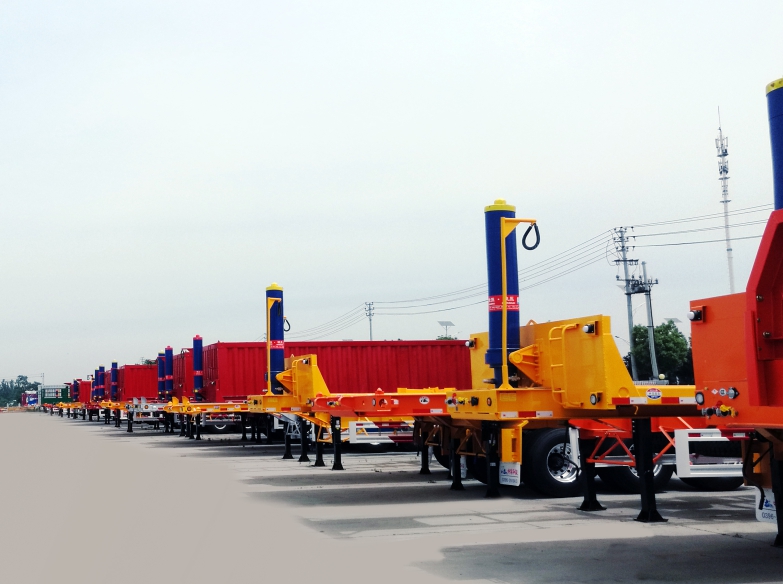
An exemplary application of composite hydraulic cylinders can be found in the construction industry, where they are used in heavy machinery such as excavators and cranes. The reduced weight of these cylinders facilitates better fuel efficiency and allows for more powerful machinery capabilities. Furthermore, their resistance to corrosion extends the operational lifespan of equipment in harsh environments, offering a clear advantage over traditional steel cylinders.
In conclusion, composite hydraulic cylinder suppliers play a vital role in modern manufacturing through the integration of advanced technology, efficient production processes, and rigorous quality control measures. These parameters are fundamental in delivering high-performance, lightweight solutions that benefit a wide range of industries. For more information on how our innovative solutions can support your operations, feel free to contact us. As specialized suppliers, we are committed to providing top-tier products designed to meet the demands of contemporary engineering challenges.

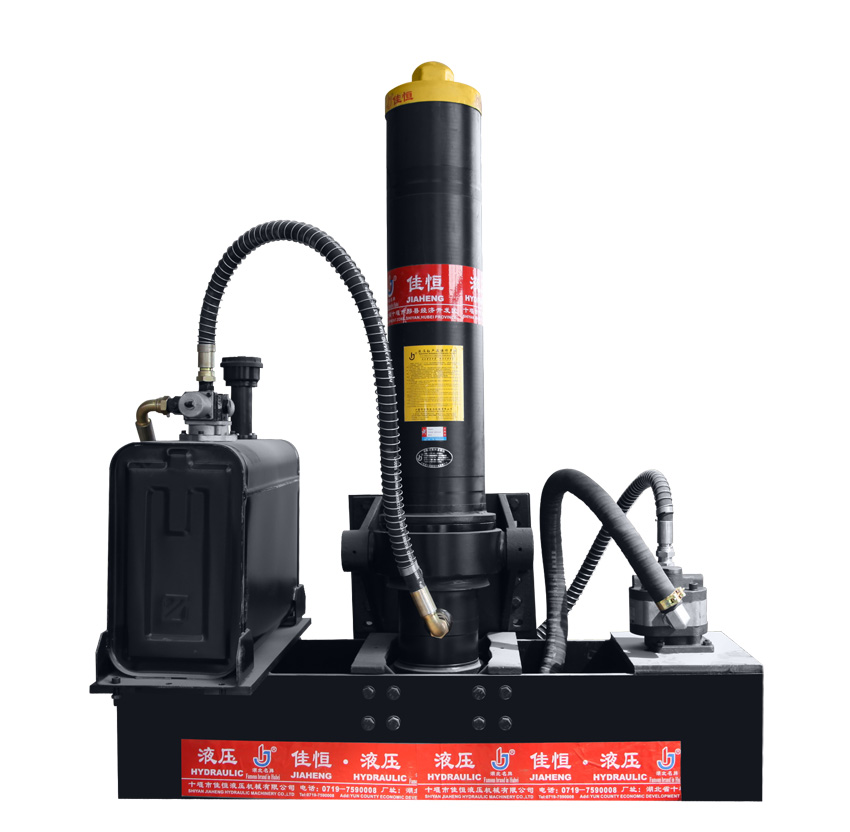
 Carbon Fiber Hydraulic Cylinder For Mobile Equipment