## Understanding Hydraulic Oil Pumps for Agricultural Equipment
Hydraulic oil pumps play a crucial role in the operation of agricultural equipment, powering various systems used in modern farming. These pumps convert mechanical energy into hydraulic energy, enabling efficient movement and operation of machinery. In essence, they are the heart of hydraulic systems, providing the necessary force to lift, turn, and deliver agricultural implements.
### Key Components of Hydraulic Oil Pumps
A typical hydraulic oil pump consists of several key components, including the pump housing, piston or gear mechanism, inlet and outlet ports, and the hydraulic fluid itself. The pump housing contains the internals that facilitate fluid movement. Depending on the design, hydraulic pumps may use either gear or piston mechanisms—gear pumps rely on the meshing of gears to transport fluid, while piston pumps utilize reciprocating motion to create flow.
The hydraulic fluid, usually a specially formulated oil, serves multiple purposes—it not only facilitates the transfer of energy but also lubricates components and helps in heat dissipation. The precise control of the pump's inlet and outlet ports ensures continuous flow, crucial for the effective functioning of various agricultural machinery.
### Working Mechanism
When the hydraulic oil pump is engaged, the engine drives the pump mechanism, creating a vacuum at the inlet port that draws hydraulic fluid from the reservoir. As the pump rotates, it compresses the fluid and pushes it out through the outlet port under pressure. This pressurized fluid travels through hydraulic lines to actuators such as cylinders or hydraulic motors, which ultimately perform the desired tasks, such as lifting equipment or adjusting implements.
### Application of Advanced Technology
Recent advancements in hydraulic technology have significantly enhanced the efficiency of oil pumps. For instance, the integration of electronic controls and sensors allows for real-time monitoring and adjustments, optimizing flow rates and pressure based on the task at hand. This leads to reduced energy consumption and increased productivity on the farm. Additionally, the development of more durable materials and designs has improved pump reliability and longevity, contributing to lower maintenance costs.
### Practical Examples and Importance
In practical terms, consider a tractor equipped with a hydraulic system that raises and lowers a seed drill. The hydraulic pump generates the required pressure to lift the heavy drill, allowing for precise planting at the desired depth. Moreover, modern combine harvesters utilize hydraulic oil pumps to power grain headers, ensuring crops are efficiently processed in the field.
In summary, hydraulic oil pumps are vital for the seamless operation of agricultural equipment, contributing to modern manufacturing's efficiency and productivity. For those interested in sourcing these essential components, reaching out to reputable suppliers can provide valuable insights and options. For more information about hydraulic systems and to explore the best solutions for your agricultural needs, feel free to contact us.

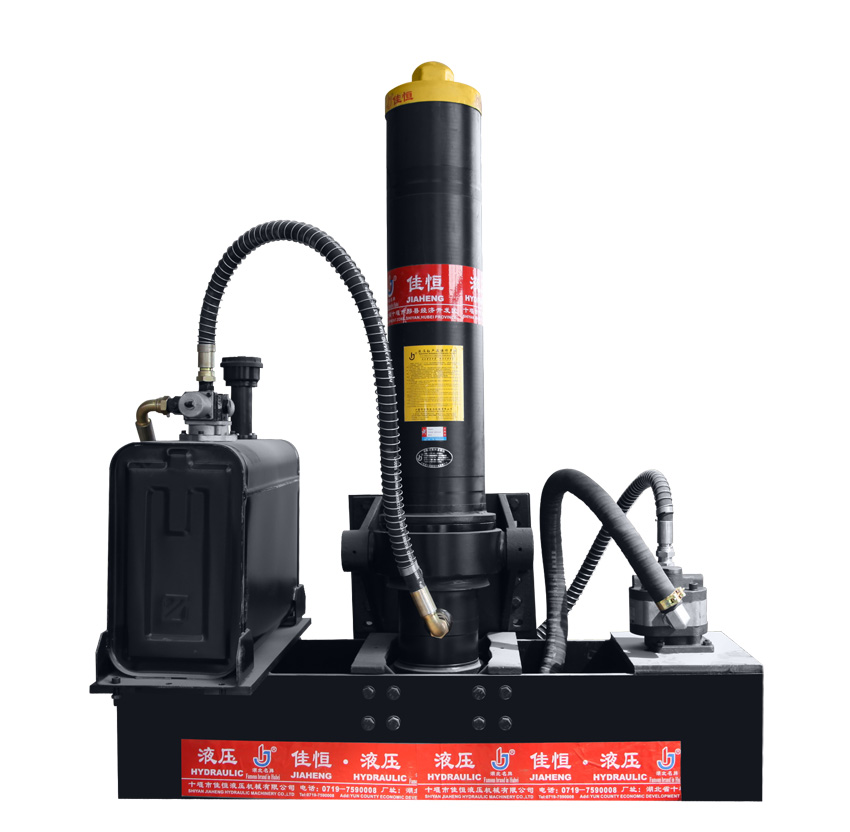
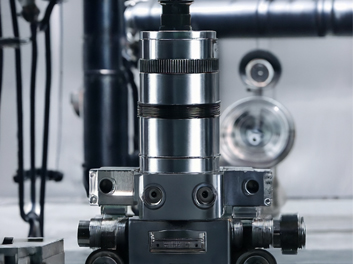
 Lightweight High Pressure Hydraulic Cylinder