## Understanding the Lightweight High Pressure Hydraulic Cylinder
Lightweight high-pressure hydraulic cylinders play a pivotal role in modern manufacturing and engineering applications, offering enhanced efficiency, precision, and durability. These cylinders are designed to convert hydraulic energy into mechanical energy, allowing for the effective actuation of various machinery and equipment.
At the heart of the lightweight high-pressure hydraulic cylinder are its key components: the cylinder body, piston, piston rod, seals, and hydraulic ports. The cylinder body is typically crafted from advanced lightweight materials such as aluminum or composite materials, which significantly reduces overall weight without compromising strength. This design innovation allows for easier handling and installation, particularly in applications where space is constrained.
The piston, which moves within the cylinder body, is equipped with seals that prevent hydraulic fluid from leaking. As hydraulic fluid enters the cylinder through the hydraulic ports, it exerts pressure on the piston. This pressure generates the force required to move the piston rod, which in turn activates the machinery connected to the cylinder. High pressure is necessary for applications that require precise movements and large forces, enabling the cylinder to perform tasks such as lifting heavy loads or clamping components with great accuracy.
One of the key advantages of lightweight high-pressure hydraulic cylinders is their efficiency in production processes. Utilizing advanced technology, these cylinders can be designed with features such as integrated sensors that monitor performance and provide real-time feedback. This integration allows manufacturers to optimize their operations, reducing downtime and maintenance costs. For instance, in an automated assembly line, lightweight hydraulic cylinders can swiftly and accurately perform repetitive tasks such as positioning and fastening components, enhancing production rates while maintaining high-quality standards.
Additionally, the versatility of lightweight high-pressure hydraulic cylinders makes them ideal for a wide range of applications. For example, in the aerospace industry, they are used for precise control of landing gear and wing flaps. In the automotive sector, these cylinders facilitate the assembly of vehicles, contributing to faster production timelines. Similarly, in the construction industry, they can be found in equipment that requires high force output, such as cranes and excavators.
In conclusion, the adoption of lightweight high-pressure hydraulic cylinders represents a significant leap forward in manufacturing technology. By harnessing advanced materials and innovative design, they improve efficiency and reliability across various industries. For more information on these cutting-edge solutions, or to explore our offerings as suppliers, please feel free to contact us.

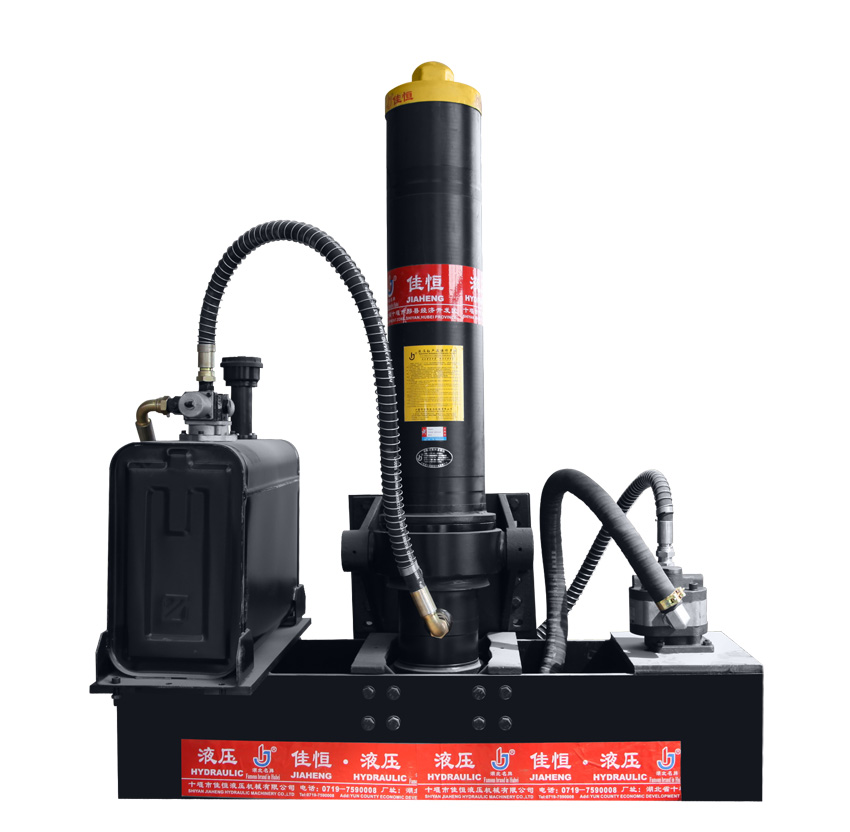
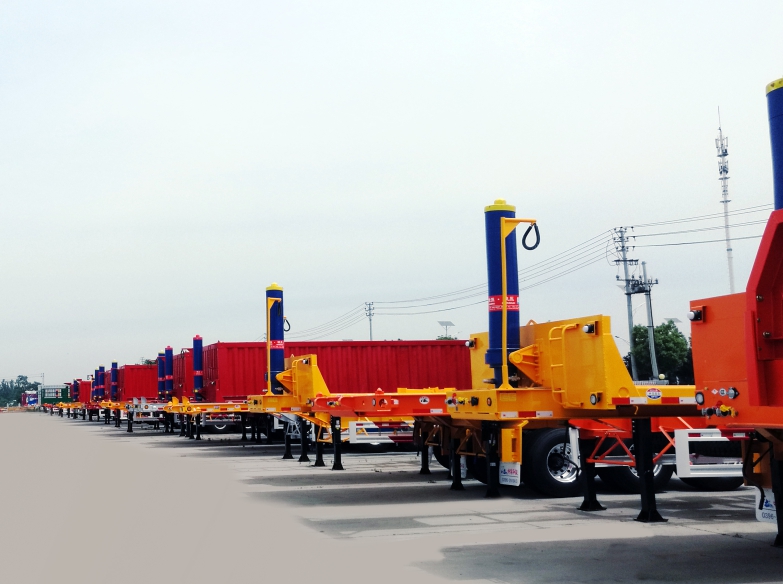
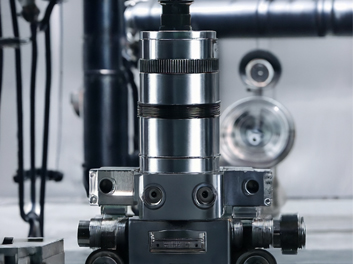
 Lightweight Hydraulic Cylinder