## Understanding the Hydraulic Oil Pump for Presses
Hydraulic oil pumps for presses are vital components in modern manufacturing processes, allowing for efficient material shaping, cutting, and assembly. These pumps use hydraulic fluid to transmit power and facilitate various applications such as metal forming, plastic molding, and woodworking. Understanding how these devices work can help manufacturers optimize their operations for greater efficiency and reliability.
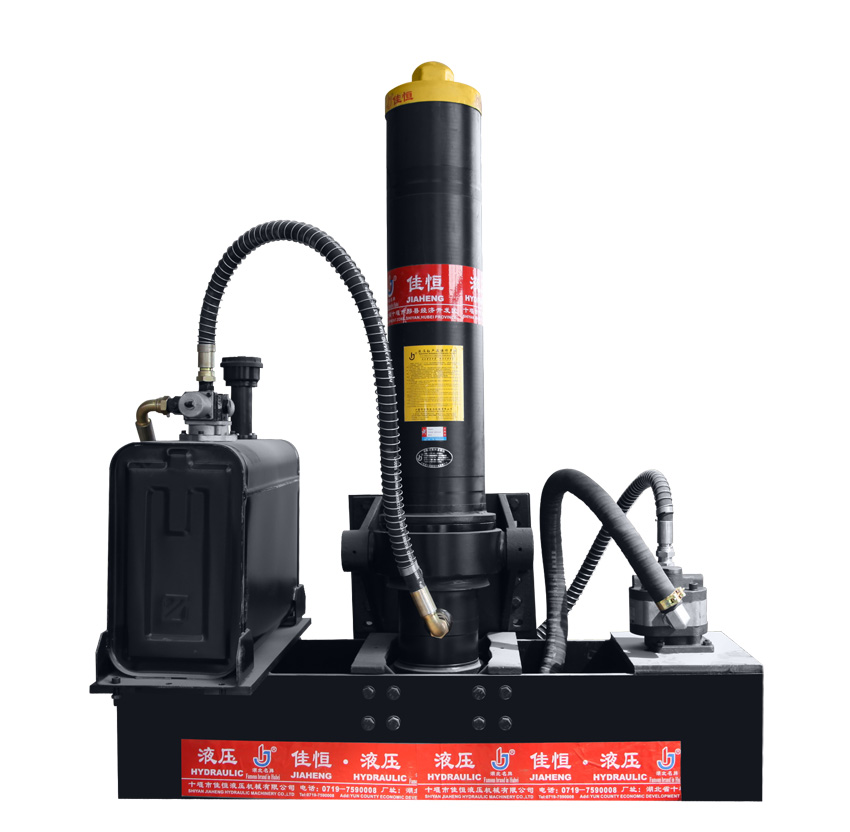
At the heart of a hydraulic oil pump is its key components, which include a motor, hydraulic fluid reservoir, pump body, and various valves and actuators. The process begins with an electric motor that drives the hydraulic pump, creating a flow of hydraulic fluid from the reservoir. This fluid is typically oil-based, selected for its lubricating properties and ability to withstand high pressures.
Once the hydraulic fluid is pressurized, it flows through a series of valves and hoses to the actuator mechanism of the press, which typically consists of a cylinder and piston assembly. The pressurized fluid enters the cylinder, exerting force on the piston. This force can be finely controlled, allowing manufacturers to apply precise amounts of pressure necessary for operations such as stamping, forging, or compacting materials.
Advanced technology plays a crucial role in enhancing the efficiency of hydraulic oil pumps. Modern pumps often incorporate advanced sensors and digital controls that monitor fluid levels, pressure, and temperature. This technology allows for real-time adjustments, optimizing performance and reducing energy consumption. For instance, variable displacement pumps enable the system to adapt to varying load conditions, ensuring more efficient use of hydraulic power.
Practical applications of hydraulic oil pumps are abundant in industries such as automotive manufacturing, where they are utilized in processes like stamping car body parts. In construction, hydraulic presses are employed to shape and form materials for heavy machinery components. Additionally, in the food industry, hydraulic presses help in packaging and sealing, ensuring safety and efficiency.
In conclusion, hydraulic oil pumps for presses represent a cornerstone of modern manufacturing. Their ability to reliably and efficiently convert hydraulic energy into mechanical power enables a multitude of applications across different industries. As advanced technologies continue to evolve, manufacturers are better equipped to improve production processes, emphasizing the necessity of staying connected with quality suppliers. For further information or inquiries, feel free to contact us.

 Carbon Fiber Reinforced Hydraulic Cylinder