## Understanding the Carbon Fiber Reinforced Hydraulic Cylinder
The Carbon Fiber Reinforced Hydraulic Cylinder (CFRHC) is a significant advancement in hydraulic technology, combining the strength of carbon fiber reinforcement with the efficiency of hydraulic systems. This innovative design offers superior performance compared to traditional hydraulic cylinders due to its lightweight, high strength, and resistance to corrosion.
At the core of a Carbon Fiber Reinforced Hydraulic Cylinder is the cylinder barrel, which houses a piston that moves within it. The cylinder is constructed using carbon fiber composite materials, providing enhanced tensile strength and decreased weight. This reduction in weight not only improves the efficiency of the mechanics but also contributes to energy savings, as less energy is required to move the cylinder.
One key component is the piston, which is usually crafted from high-strength alloys or engineered plastics. The piston is sealed with O-rings or other sealing technologies to prevent hydraulic fluid leakage, ensuring optimal performance. As hydraulic fluid is pressurized and forced into one side of the piston, it creates a force that moves the piston rod, enabling various applications such as lifting, compressing, or controlling machinery.
The integration of advanced technology into the CFRHC production process plays a crucial role in its efficiency. Advanced manufacturing techniques such as automated fiber placement (AFP) and resin transfer molding (RTM) allow for precise layering of carbon fibers and the systematic curing of epoxy resins. These methods lead to consistent quality, shorter production times, and less material waste.
Applications of CFRHC are vast and critical in modern manufacturing. For instance, in the aerospace industry, CFRHCs are employed in landing gear systems to reduce weight while maintaining performance under extreme conditions. In automotive sectors, these cylinders are used in lightweight hydraulic systems, resulting in improved fuel efficiency and reduced emissions.
Moreover, the energy industry capitalizes on CFRHC technology for hydraulic actuators in wind turbine installations, showcasing its efficiency in renewable energy applications. The strength, durability, and resilience of carbon fiber composites in harsh environments make them ideal for such scenarios.
In conclusion, Carbon Fiber Reinforced Hydraulic Cylinders represent a significant innovation in hydraulic technology, enhancing performance and reducing weight. Their application in various industries demonstrates the importance of advanced technology in modern manufacturing processes. For businesses seeking reliable suppliers or requiring further information, do not hesitate to contact us.

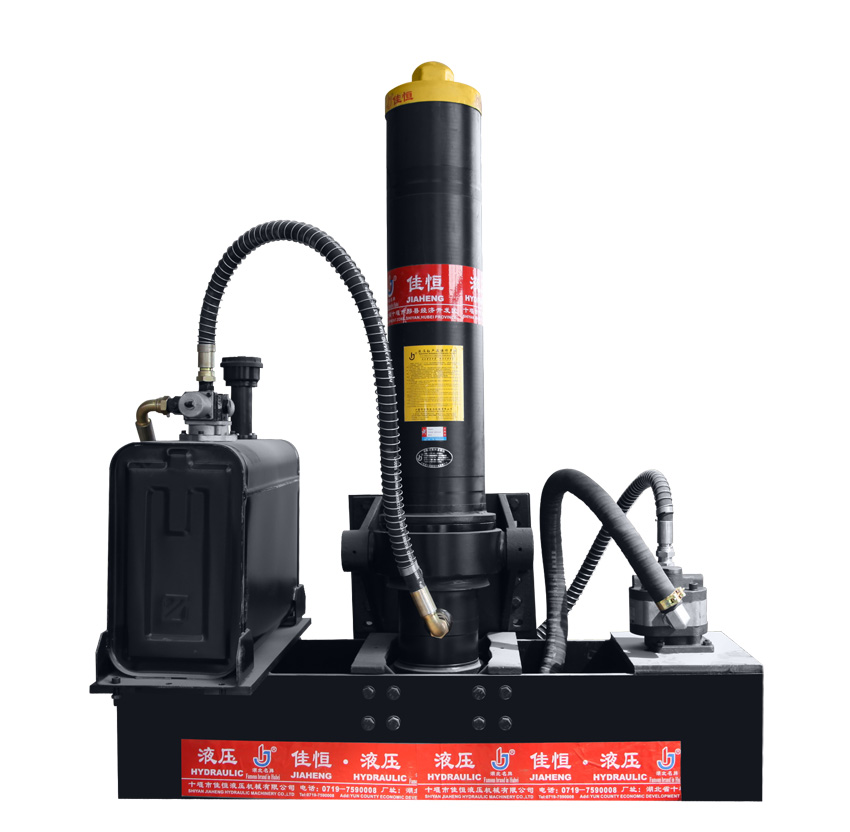
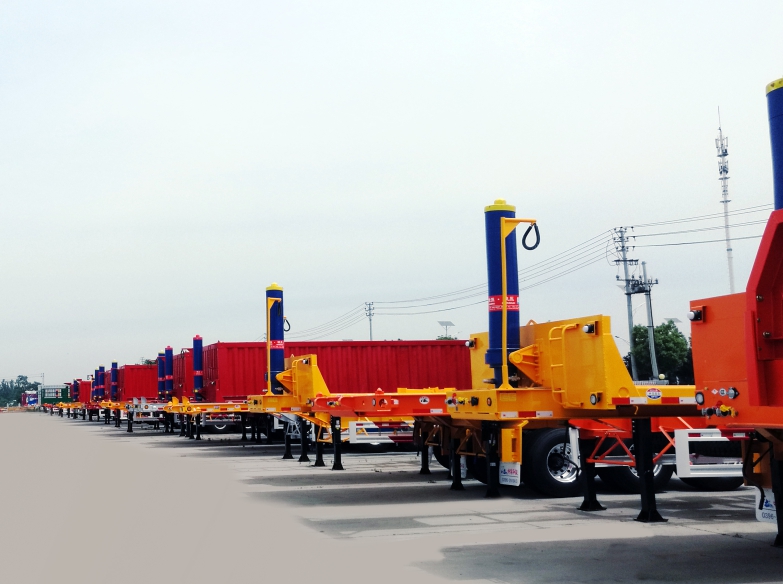
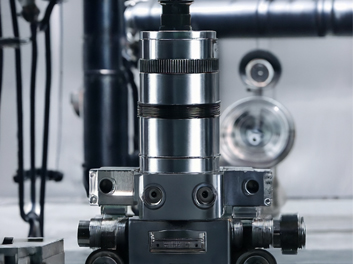
 Heavy Duty Dump Truck Hydraulic Cylinder