## Understanding How Multi-Stage Lightweight Hydraulic Cylinders Work
Multi-Stage Lightweight Hydraulic Cylinders are innovative devices widely utilized in various industrial applications, from manufacturing to construction. Their unique design enables significant force output in a compact size, making them ideal for environments where space and weight constraints are critical.
At the heart of a multi-stage hydraulic cylinder are several key components: the cylinder body, pistons, seals, and hydraulic fluid. The cylinder body is typically made from lightweight materials like aluminum or high-strength composites, contributing to overall efficiency by reducing the weight. Inside the cylinder, multiple pistons are stacked together. Each piston can extend and retract independently, allowing for a greater stroke length compared to single-stage cylinders.
The working mechanism of a multi-stage hydraulic cylinder is based on Pascal’s principle, which states that pressure applied to a confined fluid is transmitted undiminished throughout the fluid. When hydraulic fluid from a pump is directed into the cylinder, it exerts pressure on the first piston. This pressure moves the first piston, which in turn pushes the second piston, and so on. This cascading effect enables significant linear motion with a relatively small input force.
Advanced technology plays a crucial role in optimizing the functionality of multi-stage lightweight hydraulic cylinders. Innovations like computer-controlled hydraulic systems enhance precision and control over the hydraulic process. For example, the use of smart sensors can monitor the position and force applied by each piston in real-time, allowing for adjustments depending on the application requirements. This not only improves productivity but also increases safety and reliability.
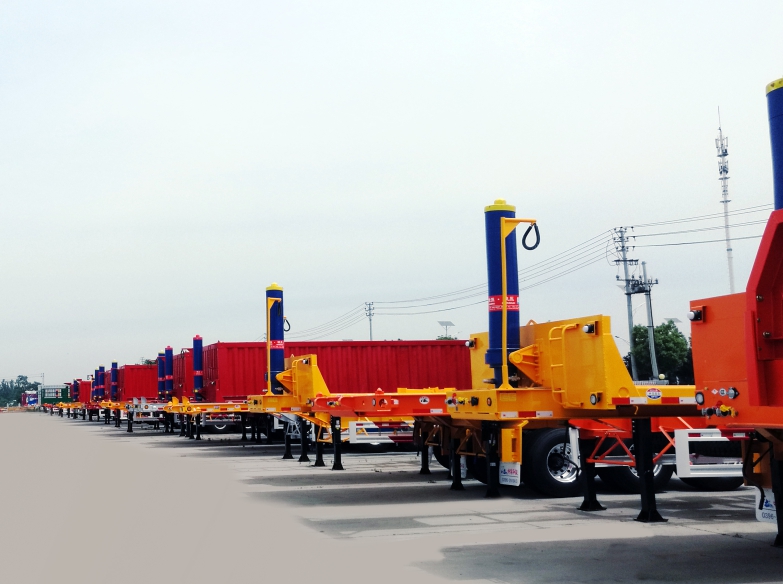
The applications of multi-stage lightweight hydraulic cylinders are diverse. In the automotive industry, for instance, they are utilized in assembly lines for lifting and positioning heavy components with high accuracy. In the aerospace sector, their lightweight design is especially beneficial in reducing overall aircraft weight, leading to improved fuel efficiency. Additionally, in construction, these cylinders are used in excavators and lifting equipment to provide powerful lifting capabilities without compromising on weight.
In conclusion, Multi-Stage Lightweight Hydraulic Cylinders stand at the forefront of modern manufacturing technology. Their innovative design and advanced operational capabilities enable efficient production processes across various industries. As businesses continue to seek ways to improve efficiency and reduce costs, understanding and adopting this technology will remain essential. For more information about suppliers of quality hydraulic cylinders or to discuss your specific needs, please feel free to contact us.


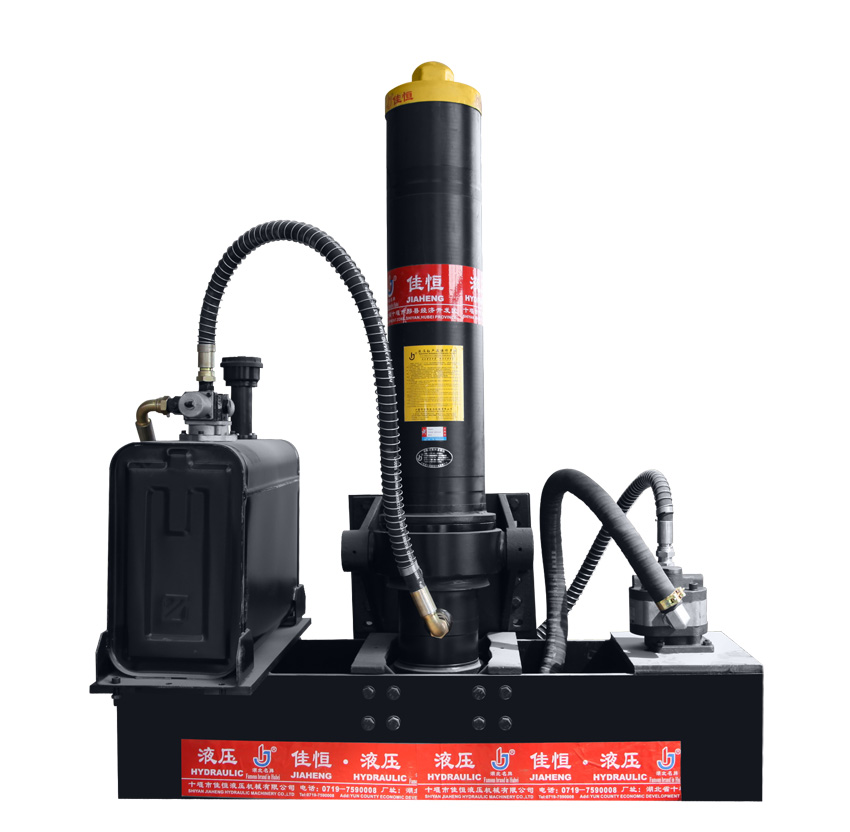
 Carbon Fiber Reinforced Hydraulic Cylinder