## Understanding the OEM Single-Stage Hydraulic Cylinder: Mechanisms and Applications
The OEM single-stage hydraulic cylinder is a crucial component in various industrial applications, particularly in manufacturing and heavy machinery. Its primary function is to convert hydraulic energy into linear mechanical energy through a simple yet efficient mechanism.
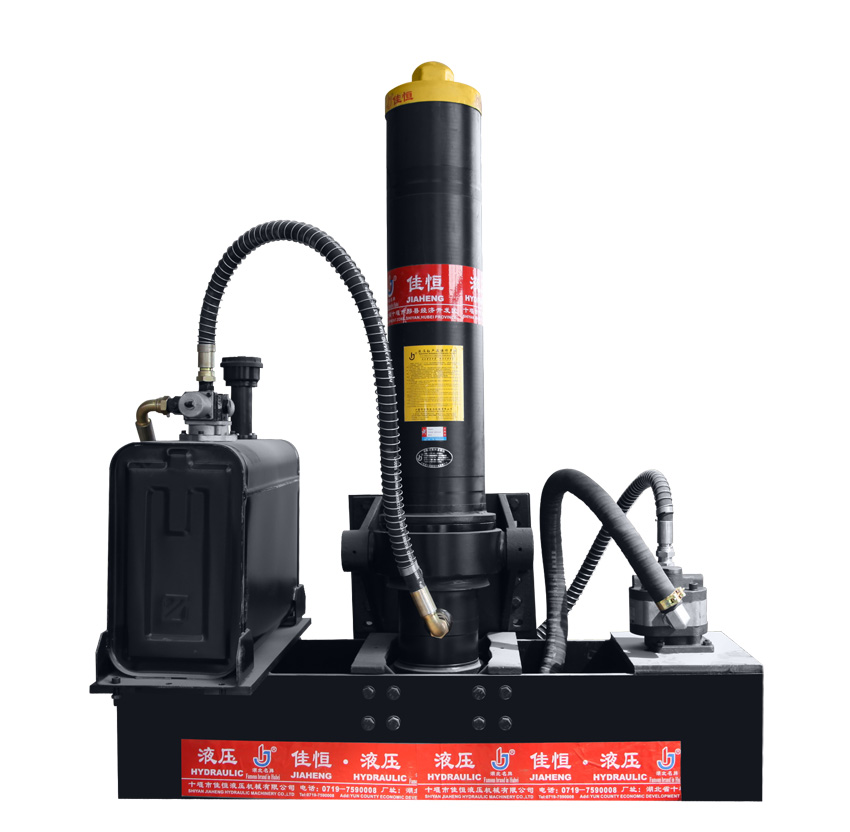
At the core of the single-stage hydraulic cylinder is its structure, which comprises several key components: the cylinder barrel, piston, piston rod, seals, ports, and hydraulic fluid. The cylinder barrel serves as the outer housing; inside, the piston moves to create the desired force. The piston rod extends from the piston, transferring the force generated within the cylinder to other components in the system. Seals are essential to prevent fluid leakage, ensuring optimal performance and safety during operation.
The working mechanism of the OEM single-stage hydraulic cylinder can be broken down into a few fundamental steps. When hydraulic fluid is pumped into the cylinder through the designated port, it exerts pressure on the piston. This pressure causes the piston to move, which in turn pushes the piston rod outward. The distance the piston travels determines the stroke length, which can be tailored to suit specific applications. As the fluid is released from the cylinder, the piston retracts, allowing for continuous operation in a conventional cycle—extension followed by retraction.
Advanced technologies play a pivotal role in enhancing the efficiency and reliability of OEM single-stage hydraulic cylinders. Innovations such as computer-aided design (CAD), finite element analysis (FEA), and precision manufacturing techniques ensure that these hydraulic cylinders are built to last. The use of high-grade materials increases strength and reduces wear, making them ideal for high-demand environments.
Applications of the OEM single-stage hydraulic cylinder are widespread. In manufacturing plants, these cylinders are frequently utilized in assembly lines for lifting, pushing, or pulling various components. For instance, they can be employed in vehicle assembly, where they assist in lifting heavy parts into position, streamlining the production process. Additionally, they are pivotal in construction equipment, such as excavators and forklifts, where they provide the necessary force to lift and maneuver heavy loads.
In conclusion, the OEM single-stage hydraulic cylinder is fundamental to modern manufacturing processes. Its efficient working mechanism, powered by hydraulic technology, enables businesses to operate more effectively. For those interested in implementing or upgrading their hydraulic systems, finding reliable suppliers is essential. If you have any questions or require further information, feel free to contact us for assistance.


 Carbon Fiber Hydraulic Actuator