## Understanding the Heavy Duty Lightweight Hydraulic Cylinder
Heavy Duty Lightweight Hydraulic Cylinders are essential components in numerous industrial applications, providing the necessary force to lift, push, or pull heavy loads with remarkable efficiency. These cylinders operate on the principle of hydraulics, utilizing pressurized fluid to generate mechanical energy.
The primary components of a hydraulic cylinder include the cylinder barrel, piston, piston rod, seals, and ports. The cylinder barrel is the main body, usually made from high-strength steel for durability. Inside it, a piston moves back and forth; this piston is connected to a rod that extends outside the cylinder. When hydraulic fluid is pumped into the cylinder, it creates pressure on one side of the piston, causing it to move and subsequently actuating the rod.
One of the most significant advantages of Heavy Duty Lightweight Hydraulic Cylinders is their reduced weight. Advanced materials, such as aluminum alloys and composite materials, are utilized in construction, making it easier to handle and install these components in various configurations. This lightweight design does not compromise strength or performance, allowing for high-load applications like construction and manufacturing.
The working mechanism involves the hydraulic system's ability to control fluid flow through valves connected to the cylinder. These valves can be operated electronically or manually, providing precision control over the movement and speed of the piston. For example, in a manufacturing assembly line, multiple hydraulic cylinders can work in unison to lift heavy parts, facilitating an efficient and streamlined production process.
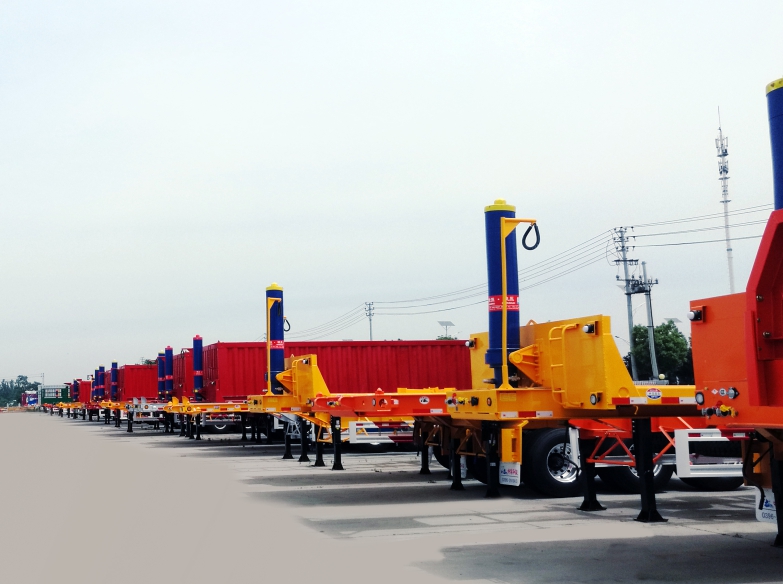
Applications of Heavy Duty Lightweight Hydraulic Cylinders are vast. In manufacturing plants, they can be integrated into automated systems for tasks ranging from stamping and forging to material handling. Construction sites frequently leverage these cylinders in heavy machinery, such as excavators and bulldozers, to lift and maneuver heavy materials effortlessly.
Furthermore, the incorporation of advanced technology, such as IoT sensors and embedded systems, is revolutionizing hydraulic cylinder operation. These technologies enable real-time monitoring of performance metrics, ensuring optimal operation while anticipating maintenance needs, thus minimizing downtime and enhancing productivity.
In conclusion, Heavy Duty Lightweight Hydraulic Cylinders are vital for modern manufacturing and industrial processes, providing the efficiency and power needed for heavy-duty applications. As the demand for advanced hydraulic solutions continues to rise, manufacturers and suppliers are focused on leveraging cutting-edge technology to meet industry needs. For more information about our products or inquiries, contact us today.


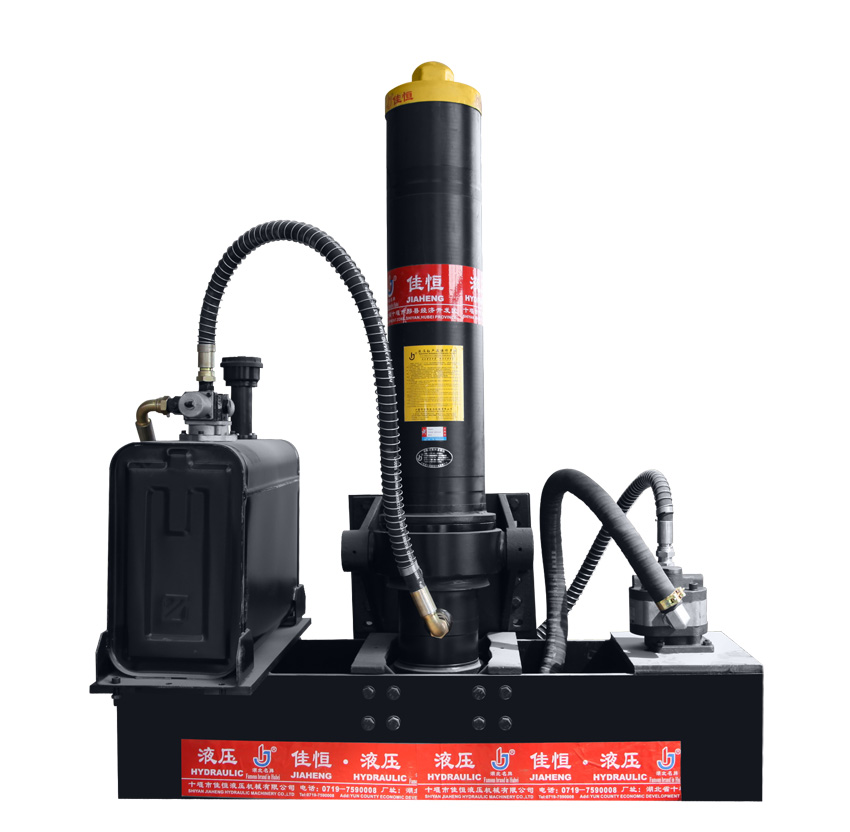
 Oem Carbon Fiber Hydraulic Cylinder